Cambridge Healthtech Institute의 트레이닝 세미나에서는 학술적 이론 및 배경을 폭넓게 다루고, 실제 사례 연구, 직면한 문제, 적용된 솔루션을 제공합니다. 각 트레이닝 세미나에서는 공식적 강의와 인터랙티브 디스커션 및 액티비티를 조합하여 학습 경험을 최대한 높일 수 있습니다. 경험이 풍부한 강사가 현재 연구에 적용 가능한 컨텐츠에 초점을 맞추고 이 분야를 처음 접하는 분들에게도 중요한 가이던스를 제공합니다.
트레이닝 세미나는 대면으로만 제공
일관성과 집중할 수 있는 학습 환경을 확보하기 위해 컨퍼런스 세션과 트레이닝 세미나 간 이동은 금지됩니다.
Monday, May 12, 2025 8:30 am - 6:05 pm | Tuesday, May 13, 2025 8:30 am - 12:45 pm
TS3A: Introduction to Multispecific Antibodies: History, Engineering, and Application
Topics to be Covered:
- A brief history of bispecific antibodies: 60 years of progress with critical advances and key pioneers
- Bispecific applications and powerful mechanisms-of-action
- Engineering bispecific antibodies:100 formats and counting
- Bispecific-specific considerations in preclinical development and regulatory landscape
- Developability, manufacturing, and analytical considerations
- Clinical experience, translation, and regulatory approval
- Current trends and future opportunities in regulating immune checkpoints, cell-based therapies, and personalized approaches
INSTRUCTOR BIOGRAPHIES:
 G. Jonah Rainey, PhD, Associate Vice President, Eli Lilly and Company
TS7A: Introduction to Immunogenicity
TOPICS TO BE COVERED INCLUDE:
Part 1: Introduction to Immunology and Immunogenicity
- What is immunogenicity?
- Immunology and major mechanisms affecting immunogenicity
- B cell development
- Clinical consequences of ADA
- Risk-based approach
- Immunogenicity in the clinic Regulations and guidance governing immunogenicity
Part 2: Predictive Immunogenicity and Role of AI/ ML
Part 3: Clinical Considerations of Immunogenicity and Regulatory Expectations
Part 4: Assay Methodology and Approaches for Describing Immunogenicity in the Clinic
- Assay methodologies
- Comparison of different methods
- Screening, confirmation
- Characterization of anti-drug-antibodies
- Cut-points Immunogenicity of complex biologics (e.g. multi-domain, biosimilars)
- PK/PD and safety and efficacy-- as a measure
- Immunogenicity in the clinic - how to report
INSTRUCTOR BIOGRAPHIES:
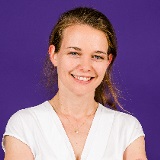 Chloé Ackaert, PhD, Senior Scientist, Immunogenicity, ImmunXperts, a Q2 Solutions Company
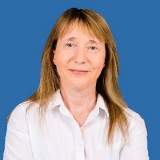 Sofie Pattijn, Founder & CTO, ImmunXperts, a Q2 Solutions Company
 Bonnie Rup, PhD, Biotechnology Consultant, Bonnie Rup Consulting
TS9A: Introduction to Protein Engineering
- What is protein engineering?
- Tools and techniques
- Engineering-by-design
- Designed libraries, display technologies
- Production and manufacturing
- Improving manufacturing by protein engineering methods
- Other protein modifications
- Expression of antibodies and fragments for discovery and testing
- Emerging molecule and product formats
- Antibody-drug conjugates (ADCs)
- AI/ML applications and limitations
- Other emerging approaches
INSTRUCTOR BIOGRAPHIES:
 David Bramhill, PhD, Founder, Bramhill Biological Consulting LLC
TS10A: Antibody Drug Discovery: From Target to Lead
Topics to be covered include:
Different Sources of Antibodies
- Animals: mouse, rat, rabbit, chicken, llama, etc.
- Libraries: immune, synthetic, native, fully human, etc.
- B cells: memory B cells, plasma B cells, human, and animals
Antibody-Based Drug Modalities
- IgGs, IgA, IgM, Bites, nanobody, antibody fragments, etc.
- Naked antibody
- ADC
- Bispecific/multispecific
- CAR T
Antibody Engineering
- Affinity maturation
- Humanization
- Fc-engineering: half-life, immune effector function, etc.
Target Selection and Validation
Antibodies Targeting Complex Membrane Proteins
- GPCRs
- Ion channels
- Transporters and membrane-bound enzymes
Delivery of Antibodies
Crossing the Brain-Blood Barrier (BBB)
Case Studies
AI-based Protein and Antibody Design
INSTRUCTOR BIOGRAPHIES:
 Zhiqiang An, PhD, Professor, Robert A. Welch Distinguished University Chair in Chemistry; Director, Texas Therapeutics Institute; Director, CPRIT Core for Antibody Drug Discovery; Vice President, Drug Discovery, University of Texas Health Science Center at Houston
Tuesday, May 13, 2025 2:20 - 6:10 pm | Wednesday, May 14, 2025 10:20 am - 6:40 pm
TS9B: Introduction to Machine Learning for Biologics Design
- Basics of machine learning and where does it fit into drug discovery
- Modern homology modeling and structure prediction
- Predicting antibody affinity and specificity modulation
- Generative design in biologics: Library design and language models
- Machine learning applications of T cell and B cell immunogenicity
- Methods and application of ML for chemical, folding, solution stabilities
INSTRUCTOR BIOGRAPHIES:
 Christopher R. Corbeil, PhD, Research Officer, Human Health Therapeutics, National Research Council Canada
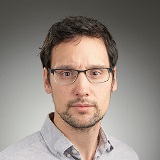 Francis Gaudreault, PhD, Associate Research Officer, Human Health Therapeutics, National Research Council Canada
TS10B: Introduction to Antibody-Drug Conjugate Design: Targets, Payloads, and Linkers
Topic areas to be covered include:
- An overview of the history of ADCs, emphasizing key developments and discoveries that shape the current therapeutic landscape
- Principles and lessons in target selection
- Antibody engineering: considerations and current trends
- Conjugation and linker chemistry, past and present payload design and selection
- Designing effective lead identification and screening strategies
- Next-generation ADC technology:
- What does the future hold?
- ADCs beyond oncology
Who should attend?
- Seasoned scientists who are moving into the ADC field
- Early career scientists in the ADC field who want a solid grasp of the “big picture” of ADC
- Executives and project managers who want a solid grasp of the challenges and opportunities of ADC technology
INSTRUCTOR BIOGRAPHIES:
 Robert J. Lutz, PhD, CSO, Iksuda Therapeutics
 Nathan L. Tumey, PhD, Associate Professor, Pharmaceutical Sciences, SUNY Binghamton
TS11B: Introduction to Analytical Characterization and Method Validation for Biological Products
Topics to be covered:
- The evolving modality of therapeutic biological products
- QbD and DoE: Analytical development (ICH Q14), qualification and validation (ICH Q2(R2))
- Biologics instability: developability, forced degradation, and formulation development
- Product strength methods: protein concentration, DNA concentration and viable cell density
- Product purity/impurities methods: CE-SDS (NR/R), icIEF and HPLC
- Product potency methods: bioassays, binding ELISA and CBA
- Product identity methods: peptide mapping, sequencing, icIEF, binding ELISA, FCM
- Product safety: methods of process impurities (residual HCP by ELISA and MS) and contaminants
- Characterization of aggregates and SVP analysis
- Extended characterization: LC-MS, MAM, PTM, charge variant analysis, and HOS analysis
- CMC analytical comparability
The curriculum provides a broad overview of biologics analytical and characterization strategies. It is beneficial to individuals involved in biologics drug discovery, developability assessment, analytical development, formulation development, process development, DS/DP manufacturing, quality control, quality assurance, clinical supply, regulatory affairs, project management, or related functional areas.
INSTRUCTOR BIOGRAPHIES:
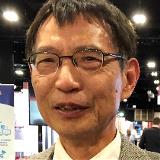 Kevin Zen, PhD, Senior Director, IGM Biosciences
Thursday, May 15, 2025 8:30 am - 5:30 pm | Friday, May 16, 2025 8:30 am - 12:30 pm
TS7C: Bioassay Development and Analysis
Key Topics:
- Introduction to Bioassays
- Guidance Documents on Bioassays
- Design & Development
- RobustnessValidation & Post Validation
- Statistical Analysis Models
- Examples / Case Studies
INSTRUCTOR BIOGRAPHIES:
 Steven Walfish, Owner, Statistical Outsourcing Services
* 주최측 사정에 따라 사전 예고없이 프로그램이 변경될 수 있습니다.


2025년 프로그램
표시하기:

공학 스트림
- Display of Biologics
바이오로직스의 디스플레이 - Engineering Antibodies
항체 공학 - Machine Learning for Protein Engineering
단백질 엔지니어링용 기계학습

종양 스트림
- Antibodies for Cancer Therapy
암치료용 항체 - Emerging Targets for Oncology & Beyond
종양 이외 신규 타깃 - Driving Clinical Success in Antibody-Drug Conjugates
항체약물접합체(ADC)의 임상적 성공의 추진

다중특이성 스트림
- TS: Intro to Multispecific Antibodies
트레이닝 세미나 : 다중특이성항체 입문 - Advancing Multispecific Antibodies
다중특이성항체의 진보 - Engineering Bispecific and Multifunctional Antibodies
이중특이성항체·다기능 항체 공학

면역치료 스트림
- Advances in Immunotherapy
면역치료의 진보 - Engineering Cell Therapies
세포치료 공학 - Next-Generation Immunotherapies
차세대 면역치료

발현 스트림
- Difficult-to-Express Proteins
발현이 어려운 단백질 - Optimizing Protein Expression
단백질 발현의 최적화 - Maximizing Protein Production Workflows
단백질 생산 워크플로우의 최대화

분석법 스트림
- ML and Digital Integration in Biotherapeutic Analytics
바이오의약품 분석에서 ML과 디지털 통합 - Biophysical Methods
생물물리학적 방법 - Characterization for Novel Biotherapeutics
신규 바이오의약품의 특성 평가

면역원성 스트림
- TS: Intro to Immunogenicity
트레이닝 세미나 : 면역원성 입문 - Predicting Immunogenicity with AI/ML Tools
AI/ML 툴에 의한 면역원성 예측 - TS: Bioassay Development and Analysis
트레이닝 세미나 : 바이오어세이 개발과 분석

신규 치료 스트림
- Biologics for Immunology Indications
적응 면역용 바이오로직스 - Radiopharmaceutical Therapies
방사성 의약품 치료 - Next-Generation Immunotherapies
차세대 면역치료

기계학습 스트림
- ML and Digital Integration in Biotherapeutic Analytics
바이오의약품 분석에서 ML과 디지털 통합 - Predicting Immunogenicity with AI/ML Tools
AI/ML 툴에 의한 면역원성 예측 - Machine Learning for Protein Engineering
단백질 엔지니어링용 기계학습