쇼트코스

쇼트코스에서는 지도적이고, 인터랙티브하며, 특정 토픽에 관한 상세한 정보를 제공합니다. 참가자와 강사가 1 대 1로 상호작용할 수 있으므로 메인 프레젠테이션에서는 다루지 못하는 보다 기술적인 측면을 쉽게 설명할 수 있습니다.

쇼트코스는 대면으로만 제공

Sunday, May 11, 2025  2:00 - 5:00 pm

SC1: In silico and Machine Learning Tools for Antibody Design and Developability Predictions

Given the exciting pace in the evolution of machine learning tools towards antibody design and developability predictions, we plan to present an overview in this field specificity geared towards antibody design and developability predictions. There will be a live demo as well of few ML tools.
Mehdi Boroumand, PhD, Associate Principal Data Scientist, Machine Learning, AstraZeneca
Henriette Capel, PhD Student, University of Oxford
Vinodh B. Kurella, PhD, Biotherapeutic Computational Modeler, Takeda Pharmaceuticals, Inc.
Robert Vernon, PhD, Associate Director, Amgen

Topics to be covered include: 

  • Overview of sequence, structure-guided, ML (machine learning) tools for developability and designs 
  • Overview and demo of various ML tools from Oxford Protein Informatics Group (OPIG)
  • Antibody specific language models (Ablang - Olsen et al 2022, Ablang2 - Olsen et al 2024)
  • Antibody (and nanobody) structure prediction (ABodyBuilder2) Abanades et al 2023)   
  • Therapeutic antibody profiling and developability evaluation (TAP - Raybould et al 2019, TAP2 - Raybould et al 2024)  
  • Antibody sequence optimization with inverse folding (AntiFold - Hummer et al 2023)
  • In silico developability assessment - case studies

INSTRUCTOR BIOGRAPHIES:
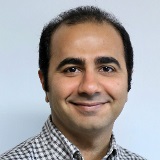
Mehdi Boroumand, PhD, Associate Principal Data Scientist, Machine Learning, AstraZeneca
Mehdi Boroumand is an Associate Principal Data Scientist at AstraZeneca, working in the Machine Learning and AI group within the Biopharmaceutical Development department. He is the Machine Learning team lead for the in-silico prediction of developability attributes of antibodies, as part of AstraZeneca’s MLAB (Machine Learning Driven Antibodies and Biologics) project. He holds a PhD in Electrical Engineering from the State University of New York at Binghamton.

Henriette Capel, PhD Student, University of Oxford
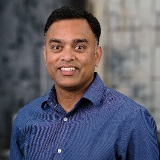
I'm a PhD student in the Oxford Protein Informatics Group, supervised by Prof. Charlotte Deane. My research is focused on predicting properties related to antibody developability.

Vinodh B. Kurella, PhD, Biotherapeutic Computational Modeler, Takeda Pharmaceuticals, Inc.
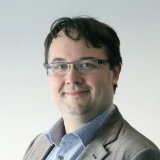
Vinodh Kurella is a Senior Scientist (Biologics computational modeler) in Biotherapeutic Engineering Group (BE) within Global Biologics at Takeda (Cambridge, USA). Experienced in structure-based antibody/protein design and optimization. Previously had range experiences at various biotech companies in different modalities such as gene therapy, biologics, and CAR T designs. Post-doctoral training at Harvard Medical School/Dana Farber in Dr. Wayne Marasco laboratory in antibody engineering and graduate training from Louisiana State University (LSU-HSC) in the field of protein X-ray crystallography in David Worthylake laboratory.

Robert Vernon, PhD, Associate Director, Amgen

Robert Vernon is an Associate Director at Amgen, working in the Digital Biologics Discovery group within Amgen's Center for Research Innovation through Digital Innovation (CRADI). He manages the implementation and development of ML platforms for generative protein design within pre-clinical development. PhD training at the University of Washington under Dr. David Baker (protein structure prediction and design), Post-doctoral training at SickKids hospital in Toronto under Dr. Julie Forman-Kay (protein condensate prediction and design).

SC2: Safety & Efficacy of Bispecifics and ADCs

Bispecific immunotherapies and ADCs are the two most rapidly advancing cancer therapeutics in the war against cancer. However, efficacy and safety challenges limit their therapeutic effectiveness in resistant and refractory cancers. The short course will discuss the translational aspects of bispecifics and ADCs; efficacy and safety challenges originating from poorly constructed ADCs; five rights of the targets, effector arms, and constructs for attaining the best therapeutic index for bispecifics and ADCs as well as strategies to minimize toxicities of bispecific and ADCs.
Rakesh Dixit, PhD, DABT, President & Founder, Bionavigen Oncology, LLC and Regio Biosciences

The short course will discuss:

  • Bispecific and ADC landscape assessment and unmet medical needs
  • Efficacy and safety challenges originating from poorly constructed ADCs
  • Five rights of the targets, effector arms, and constructs for attaining the best therapeutic index for bispecifics and ADCs
  • Minimizing toxicities of bispecifics and ADCs
  • Translational aspects of bispecific and ADC development


INSTRUCTOR BIOGRAPHIES:

Rakesh Dixit, PhD, DABT, President & Founder, Bionavigen Oncology, LLC and Regio Biosciences

Rakesh Dixit is an accomplished executive, inventor, and scientist with over 35 years of success with top biotechnology and pharmaceutical companies, including Merck, Johnson & Johnson, and Medimmune - AstraZeneca. Currently, he is President and CSO of Regio Biosciences and Bionavigen, LLC. He is a Board Member of Regio Biosciences and a key member of multiple scientific advisory boards. Rakesh is also a chief adviser and consultant for more than 20 companies worldwide. His biopharmaceutical peers selected Rakesh as one of the 100 Most Inspiring People in the Pharmaceutical Industry by PharmaVOICE in 2015. Rakesh received the Most Prestigious Award of Long-Standing Contribution to ADCs by World ADC (Hanson-Wade), 2020. From 2006 to 2019, Rakesh was a Global Vice President of the Biologics R&D at Medimmune - AstraZeneca. Rakesh has unique expertise in developing biologics (e.g., monoclonal antibodies, bispecific biologics, antibody-drug conjugates, fusion proteins, peptides, gene and cell therapies, etc.) and small-molecule biopharmaceuticals. His areas of expertise include discovery, early and late preclinical development, safety assessment, DMPK, and translational sciences. Dr. Dixit conducted extensive graduate and post-graduate training in Pharmacology/Toxicology-Biochemistry with both Indian and USA Institutions (e.g., Case Western Reserve University, Medical College of Ohio, University of Nebraska) and is a Diplomate and Board Certified in Toxicology from the American Board of Toxicology, Inc. since 1992.

SC3: Challenges and Opportunities in Solid Tumor and Autoimmune Disease Therapeutic Innovations

This course offers advanced insights into developing next-generation immunotherapies for solid tumors and autoimmune diseases, focusing on identifying new biological targets and therapeutic methods. It includes detailed analyses of the solid tumor microenvironment and the autoimmune diseases space, addressing challenges and showcasing successful therapeutic strategies across T cell engagers, blocking bispecific antibodies, ADCs, CAR-Ts, radioligand therapy and targeted protein degraders. Additionally, the course will explore the use of machine learning and generative AI to identify novel therapeutic targets and accelerate the development of treatments.
Tony R. Arulanandam, DVM, PhD, CEO and Founder, Synaptimmune Therapeutics
  • Identify and develop next-generation immunotherapies for solid tumors and autoimmune diseases
  • Analyze the solid tumor microenvironment, discussing successful therapies such as T cell engagers, blocking bispecific antibodies, ADCs, CAR-Ts, Radio ligand therapy and Targeted Protein degraders
  • Examines autoimmune disease biology and therapeutic development, integrating approaches like immune target blockade and autoantigen tolerizing.
  • Highlights the application of machine learning and generative AI in discovering novel therapeutic targets and expediting therapeutic development.
  • Addresses the challenges and provides case examples of cutting-edge therapeutic approaches in both cancer and autoimmune diseases

INSTRUCTOR BIOGRAPHIES:

Tony R. Arulanandam, DVM, PhD, CEO and Founder, Synaptimmune Therapeutics

Tony Arulanandam, DVM, PhD, is CEO and Founder Synaptimmune Therapeutics, a Yale Ventures spinout newco developing next generation of IDR-CAR-T cells with increased potency and antigen sensitivity against blood cancers, solid tumors and autoimmunity. Senior Vice President and Head of Preclinical Research and Development at Cytovia Therapeutics focused in developing NK Cell engager bispecific antibodies and iPSC derived CAR-NK therapies for cancer. He is also the Co-Founder of NextPoint therapeutics, an MPM capital-funded IO checkpoint immunotherapy company. He is an immunologist with 20+ years of research and development experience developing multiple immunotherapies for autoimmune/inflammatory diseases and cancer (5 BLAs and multiple INDs). He is also currently a mentor for postdocs at the Dana-Farber Cancer Institute through the Post-Graduate Association.

Tuesday, May 13, 2025  6:30 - 9:00 pm

SC4: Best Practices for Targeting GCPRs, Ion Channels, and Transporters with Monoclonal Antibodies

Complex membrane proteins are important therapeutic targets and together represent the majority of protein classes addressed by therapeutic drugs. Significant opportunities exist for targeting complex membrane proteins with antibodies, but it has been challenging to discover therapeutic antibodies against them. This course will examine emerging technologies and strategies for enabling the isolation of specific and functional antibodies against GPCRs, ion channels, and transporters, and highlight progress via case studies.
Ross Chambers, PhD, Vice President, Antibody Discovery, Integral Molecular, Inc.

INSTRUCTOR BIOGRAPHIES:

Ross Chambers, PhD, Vice President, Antibody Discovery, Integral Molecular, Inc.

Ross Chambers is the Vice President of Antibody Discovery at Integral Molecular. He pioneered the use of DNA immunization for antibody production and developed Integral Molecular’s MPS system for isolating antibodies. Dr. Chambers earned his PhD from the University of Otago, New Zealand, and did post-doctoral studies at UC Davis and Berkeley. Before joining Integral Molecular, he was the Director of R&D at SDIX and directed the discovery of thousands of commercial antibodies.

SC5: Targeting the Target: Aligning Target and Biologic Format Biology to Achieve Desired Outcomes

Receptor - ligand interactions have co-evolved to maintain specificity of downstream signaling. However, biologics are not natural ligands and, therefore, different biologics to the same target (receptor or ligand) can have distinct outcomes. Recent advances in various high-throughput analytical technologies, biologic-based therapeutic formats, and our understanding of disease heterogeneity are & will challenge us to “re-evaluate” our discovery and development paradigm(s). In this course we will explore, with examples, potential avenues on how to apply these new technologies/understanding to select “better” lead candidates to achieve “better” desired outcomes.
Tariq Ghayur, PhD, Tariq Ghayur Consulting, LLC; Entrepreneur in Residence, FairJourney Biologics

Topics to be covered

  • Introduction to the “components of success paradigm”
  • Underlying concepts and examples of one target, multiple functions/outcomes
  • How emerging technologies are and could impact
  • o    Understanding target biology, lead selection and discovery/development paradigm
  • o    Target space for bispecifics, ADCs and other therapeutic formats/concepts
  • Case studies: (i) evaluating functional impact of different mAbs to the same target (target/mAb biology): (ii) designing biologic molecules to develop functional assays to assess novel/emerging target biology and potentially develop novel therapeutics

INSTRUCTOR BIOGRAPHIES:
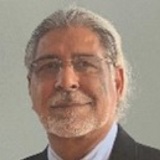
Tariq Ghayur, PhD, Tariq Ghayur Consulting, LLC; Entrepreneur in Residence, FairJourney Biologics

Dr. Ghayur retired from AbbVie (July 2021) and works as an independent consultant. He has 30+ years’ experience leading multi-disciplinary and cross-therapeutic area Biologics discovery programs and developing novel Biologics platforms. Several biologics programs resulted in clinical development candidates. Dr. Ghayur led the team that pioneered the discovery and development of the Dual - variable - Domain -Ig (DVD-Ig) and other multi-specific platforms. Dr. Ghayur also led the team that defined the uptake, intracellular trafficking, and lysosomal degradation of anti-TNF mAbs/DVD-Ig, resulting in the concept of anti-TNF-ADC (next-Gen anti-TNF). In addition, Dr. Ghayur proposed and helped implement several corporate-wide (Abbott & AbbVie) initiatives to foster cross-functional/cross-TA collaborations to bring forward innovative concepts/programs.

SC6: Developability of Bispecific Antibodies

Bispecific antibodies are a rapidly growing and clinically validated class of antibodies with marketed drugs and multiple candidates in clinical trials. Targeting multiple antigens in a synergistic manner can confer enhanced therapeutic benefit and potentially uncover novel biological mechanisms. However, multiple formats and a tedious candidate selection process to select functional and developable bispecific antibodies makes such programs cumbersome. This short course highlights the rapid growth in the field, therapeutic applications, and focuses on challenges with discovery and development of bispecific antibodies. We will use an approved bispecific antibody as a case study to understand the varied aspects of discovery and development of bispecific antibody programs.
Nimish Gera, PhD, Vice President, Biologics, Mythic Therapeutics

Topics to be covered 

  • Introduction to bispecifics and bispecific formats 
  • Therapeutic applications of bispecific antibodies 
  • Developability of bispecifics 
  • Case study: discovery and development of an FDA-approved bispecific antibody

INSTRUCTOR BIOGRAPHIES:
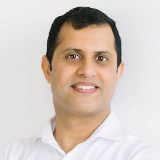
Nimish Gera, PhD, Vice President, Biologics, Mythic Therapeutics

Nimish Gera is the Vice President of Biologics at Mythic Therapeutics leading multiple projects to engineer and develop novel antibody and antibody-based drugs in oncology and immuno-oncology. Prior to Mythic, Nimish has over fifteen years of experience in antibody and protein engineering with five years leading bispecific antibody programs in several disease areas such as rare diseases, oncology, and immunology at Alexion Pharmaceuticals and Oncobiologics. Nimish received his PhD degree in Chemical and Biomolecular Engineering from North Carolina State University and a B.Tech degree in Chemical Engineering from Indian Institute of Technology, Guwahati.

SC7: Nuts and Bolts of Building a Radiopharmaceutical Therapy Agent

This session details the path to converting an antibody or an engineered fragment into a radiopharmaceutical therapy. Methods to preparing radioimmunoconstructs into alpha-/beta-emitting drugs will be discussed. This path includes choosing adequate therapeutic isotopes for the application of interest, tailoring the radiolabeling strategy to preserve immune reactivity, and developing a drug formulation for extended shelf-life. Detailed quality control methods will be discussed specific to therapeutic isotopes and radiopharmaceuticals characterization.
Diane S. Abou, PhD, Principal Radiochemist, Assistant Professor, Mallinckrodt Institute of Radiology, Washington University School of Medicine in St. Louis

INSTRUCTOR BIOGRAPHIES:

Diane S. Abou, PhD, Principal Radiochemist, Assistant Professor, Mallinckrodt Institute of Radiology, Washington University School of Medicine in St. Louis

I am a radiochemist with over 15 years hands-on experience with various radioisotopes (99mTc, 89Zr, 68Ga, 64Cu, 177Lu, 213Bi, 225Ac, 227Ac, 223Ra, 227Th). My expertise spans from alpha-emitting isotope production, radiolabeling, formulation, quality control and preclinical assessments (in vitro/vivo, toxicology) of radiopharmaceuticals, including the GMP development/filing of an 225Ac-labeled drug. My publication track includes over 30 research articles in this field (JNM, Nature Communications …) with > 1400 citations and 2 patents in radiopharmaceutical discovery. I am the recipient of the Rosalind Franklin Award (2022) for my report on Quality Control considerations of 225Ac and the lead-editor at Frontiers in Oncology, for the research collection: Therapeutic Isotope supply and Radiopharmaceutical Manufacturing. I am an Assistant Professor at Washington University in St. Louis, Radiology since 2018, and was previously a board member at the radiopharmaceutical council (RPSC) of the Society of Nuclear Medicine. I was a postdoctoral fellow (2009-2013) at Memorial Sloan-Kettering Cancer Center (NYC) and a junior faculty at the Johns Hopkins University, Nuclear Medicine (2013-2018). I am a Principal Radiochemist at Northstar Medical Radioisotopes, involved in any questions related to 225Ac isotope production, drug radiolabeling and formulation, quality control and patent filing.

* 주최측 사정에 따라 사전 예고없이 프로그램이 변경될 수 있습니다.

해당 컨퍼런스는 종료되었습니다.
Choose your language
Traditional Chinese
Simplified Chinese
Japanese
English_


표시하기:

Engineering
공학 스트림
  • Display of Biologics
    바이오로직스의 디스플레이
  • Engineering Antibodies
    항체 공학
  • Machine Learning for Protein Engineering
    단백질 엔지니어링용 기계학습

Oncology
종양 스트림
  • Antibodies for Cancer Therapy
    암치료용 항체
  • Emerging Targets for Oncology & Beyond
    종양 이외 신규 타깃
  • Driving Clinical Success in Antibody-Drug Conjugates
    항체약물접합체(ADC)의 임상적 성공의 추진

Bispecific Antibodies
다중특이성 스트림
Immunotherpary
면역치료 스트림
  • Advances in Immunotherapy
    면역치료의 진보
  • Engineering Cell Therapies
    세포치료 공학
  • Next-Generation Immunotherapies
    차세대 면역치료

Expression
발현 스트림
  • Difficult-to-Express Proteins
    발현이 어려운 단백질
  • Optimizing Protein Expression
    단백질 발현의 최적화
  • Maximizing Protein Production Workflows
    단백질 생산 워크플로우의 최대화

Analytical
분석법 스트림
  • ML and Digital Integration in Biotherapeutic Analytics
    바이오의약품 분석에서 ML과 디지털 통합
  • Biophysical Methods
    생물물리학적 방법
  • Characterization for Novel Biotherapeutics
    신규 바이오의약품의 특성 평가

Immunogenicity
면역원성 스트림
Emerging Modalities
신규 치료 스트림
  • Biologics for Immunology Indications
    적응 면역용 바이오로직스
  • Radiopharmaceutical Therapies
    방사성 의약품 치료
  • Next-Generation Immunotherapies
    차세대 면역치료

Machine Learning Stream
기계학습 스트림
  • ML and Digital Integration in Biotherapeutic Analytics
    바이오의약품 분석에서 ML과 디지털 통합
  • Predicting Immunogenicity with AI/ML Tools
    AI/ML 툴에 의한 면역원성 예측
  • Machine Learning for Protein Engineering
    단백질 엔지니어링용 기계학습

Premier Sponsors

FairJourneyBiologics GenScript-CRO Integral-Molecular_NEW  LONZAOmniAbUnchainedLabs
Catalog Download
Catalog