2026년 연사
연사
Filter by:
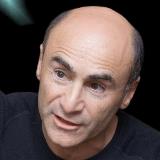
Ruben Abagyan, PhD, Professor, Skaggs School of Pharmacy and Pharmaceutical Sciences, University of California, San Diego
Dr. Ruben Abagyan is a Professor at the Skaggs School of Pharmacy and Pharmaceutical Sciences at the University of California, San Diego, which he joined in 2009. He received his Master’s and Ph.D. degrees in molecular physics at MPTI and MSU. At the European Molecular Biology Laboratory in Heidelberg he developed internal coordinate mechanics and structural docking approach (ICM) for modeling and docking. He received his tenure at New York University and Courant Institute of Mathematics and continued at the Novartis Institute and the Scripps Research Institute in La Jolla, California. Dr. Abagyan serves on international review panels for Institutes in Switzerland, UK, EU, and Hong Kong. He received CapCure awards, Princess Diana Award and medal in Sydney, Australia, American Association of Colleges of Pharmacy Teacher of the Year award, and UCSD-SSPPS 'Faculty of the Year' awards. R.A. authored and co-authored 340 research papers and book chapters, with over 40,000 citations and H-index of 96. His research interests include computational structural biology, methods for structure prediction, docking screens, and cheminformatics, with a particular focus on computer-aided drug and target discovery. In addition to molecular profiles, he also studies the FDA clinical records and unexpected post-marketing side effects of therapeutics.
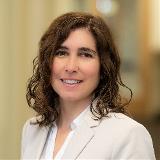
Isabel Aznarez, PhD, Vice President, Discovery Research, Stoke Therapeutics
Dr. Isabel Aznarez is a co-founder and vice president, head of biology at Stoke Therapeutics. Dr. Aznarez has extensive experience in human genetics, RNA metabolism and modulation of RNA processes using antisense oligonucleotides. Prior to founding Stoke Therapeutics, she was a research investigator with Professor Adrian Krainer, whose lab she joined as a postdoctoral fellow in 2008. Previously, Dr. Aznarez was a researcher at the Hospital for Sick Children with Professor Lap-Chee Tsui, where she focused on the effect of cystic fibrosis mutations on the splicing of the CFTR gene. Dr. Aznarez holds a Ph.D. in molecular and medical genetics from the University of Toronto and a B.Sc. in biology and human genetics from the University of Uruguay. Dr. Aznarez is a member of the Board of Directors of the Oligonucleotide Therapeutics Society.
Vahe Bandarian, PhD, Professor, Biological Chemistry, University of Utah; Co-Founder, Sethera Therapeutics
Dr. Vahe Bandarian is Professor of Chemistry and Associate Provost for Mission-Aligned Planning at the University of Utah. He earned his BS in Biochemistry from California State University, Los Angeles, followed by a PhD from the University of Wisconsin-Madison. After completing a postdoctoral fellowship at the University of Michigan at Ann Arbor he joined the faculty at the University of Arizona in 2003. After earning tenure and promotion to full professor he moved to the University of Utah in 2015. His research centers on mechanistic studies of biosynthetic enzymes, with recent emphasis on exploiting substrate promiscuity in peptide natural product biosynthetic pathways. He is co-founder of Sethera Therapeutics, Inc., which develops platforms for macro- and polymacrocyclic peptide drug discovery. Dr. Bandarian has received several awards and is a fellow of the American Chemical Society, the American Society for Biochemistry and Molecular Biology, and the American Association for the Advancement of Science.
Phil Baran, PhD, Chair & Professor, Department of Chemistry, Scripps Research Institute
Phil Baran was born in 1977 in Denville, New Jersey. He received his BS in Chemistry from NYU in 1997, his PhD at the Scripps Research Institute in 2001, and from 2001-2003, he was an NIH postdoctoral fellow at Harvard. His independent career began at Scripps in the summer of 2003. He currently holds the Darlene Shiley Chair in Chemistry. Phil has published over 200 scientific articles and has been the recipient of several ACS awards, such as the Corey (2015), Pure Chemistry (2010), Fresenius (2006), and Nobel Laureate Signature (2003), and several international distinctions, such as the Hirata Gold Medal and Mukaiyama Prize (Japan), the RSC award in Synthesis (UK), and the Sackler Prize (Israel). In 2013, he was named a MacArthur Foundation Fellow; in 2015, he was elected to the American Academy of Arts and Sciences; in 2016, he was awarded the Blavatnik National Award; and in 2017, he was elected to the National Academy of Sciences, USA. He has delivered hundreds of lectures around the world and consults for numerous companies, such as Bristol-Myers Squibb (since late 2005), Boehringer-Ingelheim, AstraZeneca, DuPont and TEVA, and is a scientific advisory board member for Eisai, Abide, and AsymChem. In 2016, he was appointed as an Associate Editor for the Journal of the American Chemical Society. He co-founded Sirenas Marine Discovery (2012) and Vividion Therapeutics (2016) and, in 2013, he co-authored The Portable Chemist’s Consultant, an interactive book published on the iBooks store along with his graduate class in Heterocyclic Chemistry (viewable for free by anyone on iTunes University). Outside of the lab, Phil enjoys spending time with his wife, Ana, and three young children, Lucia, Leah, and Manuel.

Brenda Bass, PhD, Distinguished Professor, Biochemistry, University of Utah
Dr. Brenda L. Bass is a Distinguished Professor in the Department of Biochemistry at the University of Utah. She is known for her contributions in defining double-stranded RNA-mediated pathways, including the discovery of ADAR RNA editing enzymes, and models and experiments that established Dicer's role in RNA silencing. Dr. Bass obtained a B.A. in chemistry from Colorado College, a Ph.D. in chemistry from the University of Colorado, Boulder, and was a postdoctoral fellow at the Fred Hutchinson Cancer Research Center. Dr. Bass is a member of the National Academy of Sciences, the American Academy of Arts and Sciences, and a Fellow of the American Association for the Advancement of Science. In 2007 she served as President of the RNA Society. She has received research support from the Pew Scholars Program, the David and Lucile Packard Foundation, the Howard Hughes Medical Institute, and her National Institutes of Health support includes a Director’s Pioneer Award and Transformative Research Award.

Namita Bisaria, Head, Research Strategy and Operations, AIRNA
Namita Bisaria, PhD, MBA, is the Head of Research Strategy and Operations at AIRNA, a pioneering RNA editing company. A serial entrepreneur in the field of RNA therapeutics, she co-founded what is now ORNA Therapeutics, a leader in circRNA technology. Namita was also the first employee at Myeloid Therapeutics, where she conceptualized and developed the retrotransposon-based gene-writing technology, RetroTTM. Additionally, she founded GanNA Bio an HMS/Stanford spinout focused on the use of glycans for extrahepatic delivery of siRNA and LNPs, which was acquired by ReNAgade Therapeutics. Namita holds a PhD in Biochemistry from Stanford University, and a postdoctoral fellowship at the Whitehead Institute. She has authored numerous high-impact papers, has multiple granted patents, and she obtained her MBA from Harvard Business School.

Michael Byrne, PhD, VP Research Pharmacology, Research Pharmacology, WAVE Life Sciences
Dr. Byrne has been with Wave Life Sciences, Inc. for seven and a half years where he serves as Vice President of Research Pharmacology. In that time his focus has been on assessing the utility of stereopure oligonucleotides as potential therapeutics for rare genetic diseases through the development of appropriate animal models and drug discovery efforts. Prior to joining Wave, Dr. Byrne spent 9 years at RXi Pharmaceuticals where he led RXi’s self-delivering siRNA oligonucleotides to the clinic for treatment of retinal scarring associated with late-stage AMD. Dr. Byrne received his Ph.D. from Northeastern University in Boston, MA where he studied microRNA expression patterns and impact on embryo development.
Isaiah Cedillo, Executive Director, Manufacturing & Operations, Ionis Pharmaceuticals
Isaiah Cedillo earned his BS and MS degrees in Chemical Engineering from Stanford University. He joined Ionis Pharmaceuticals over 20 years ago and has since played a key role in the company’s manufacturing and process development efforts. After beginning his career in the manufacturing plant, Isaiah transitioned to focus on process development and scale-up, where he continues to advance the efficiency and reliability of large-scale oligonucleotide production.

Pranam Chatterjee, PhD, Assistant Professor, Department of Bioengineering, University of Pennsylvania
Pranam Chatterjee is the Africk-Lesley Distinguished Assistant Professor of Bioengineering and Computer and Information Science at the University of Pennsylvania. His Programmable Biology Group develops new discrete generative models for the de novo design of peptide and protein biologics, spanning from algorithmic theory to pre-clinical validation in vitro and in vivo. The lab specifically develops therapeutic interventions for rare neurodegenerative diseases, pediatric sarcomas, viral infections, infertility, and substance use disorders. Having received his SB, SM, and PhD from MIT, Professor Chatterjee has received the MIRA Award, Hartwell Individual Biomedical Research Award, and multiple NIH and foundation grants for his work. He has also co-founded Gameto, Inc., UbiquiTx, Inc., and AtomBioworks, Inc., which translates his research into fertility-related solutions, cancer therapeutics, and RNA medicines, respectively.
David Corey, PhD, Professor, Department of Pharmacology, UT Southwestern
Dr. Corey graduated with a BA from Harvard in 1985 and a PhD from UC Berkeley under the direction of Dr. Peter Schultz in 1990. He has had his own laboratory at UT Southwestern since 1992 and is currently the Rusty Kelley Professor of Biomedical Science in the Department of Pharmacology.

Rakesh Dixit, PhD, DABT, CEO & President, Bionavigen Oncology, LLC; CSO, TMAB Therapeutics, Regio Biosciences
Rakesh Dixit is an accomplished executive, inventor, and scientist with over 35 years of success with top biotechnology and pharmaceutical companies, including Merck, Johnson & Johnson, and Medimmune - AstraZeneca. Currently, he is President and CSO of Regio Biosciences and Bionavigen, LLC. He is a Board Member of Regio Biosciences and a key member of multiple scientific advisory boards. Rakesh is also a chief adviser and consultant for more than 20 companies worldwide. His biopharmaceutical peers selected Rakesh as one of the 100 Most Inspiring People in the Pharmaceutical Industry by PharmaVOICE in 2015. Rakesh received the Most Prestigious Award of Long-Standing Contribution to ADCs by World ADC (Hanson-Wade), 2020. From 2006 to 2019, Rakesh was a Global Vice President of the Biologics R&D at Medimmune - AstraZeneca. Rakesh has unique expertise in developing biologics (e.g., monoclonal antibodies, bispecific biologics, antibody-drug conjugates, fusion proteins, peptides, gene and cell therapies, etc.) and small-molecule biopharmaceuticals. His areas of expertise include discovery, early and late preclinical development, safety assessment, DMPK, and translational sciences. Dr. Dixit conducted extensive graduate and post-graduate training in Pharmacology/Toxicology-Biochemistry with both Indian and USA institutions (e.g., Case Western Reserve University, Medical College of Ohio, University of Nebraska) and is a Diplomate and Board Certified in Toxicology from the American Board of Toxicology, Inc. since 1992.

Robert Dream, PhD, Managing Director, HDR Co. LLC
Robert Dream is an industry leader with 30+ years of experience, including 20 years of executive leadership in the pharmaceutical and biotechnology industries. He has led projects, improved processes, helped move drug substance and drug products from R&D, clinical, regulatory licensing approvals through operational excellence strategies and leading edge technologies. He is business minded person and has an innovative knowledge and knowhow of manufacturing, logistics, supply chain, risk mitigation and management. He is experienced in therapeutic biotechnology and biological drug substance and drug products manufacturing, with extensive hands-on, senior leadership and executive experience at world-leading organizations. He wrote numerous articles for many journals and publications and lead and presented at many institutions, organizations, and conferences. He is a registered professional engineer and an active member of the ISPE and PDA. He is a member of the editorial advisory Board; Pharmaceutical Processing, Pharmaceutical Manufacturing, Pharmaceutical Technology, Pharmaceutical Engineering, and the INTERPHEX Advisory Council. He is a member and Process Chair of the PDA “Aging Facilities Modernization” Team. He is the Chair of the ISPE GUIDE: “Biopharmaceutical Process Development and Manufacturing”; published 2013, ISPE “Sustainability Handbook”; Published 2015 and numerous other relevant publication to list few.
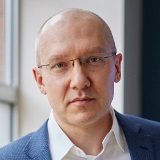
Vadim Dudkin, PhD, Founding CTO, Souffle Therapeutics
As the Founding Chief Technology Officer, at Soufflé Therapeutics, Vadim leads research, discovery and development to translate breakthroughs into medicines for patients. Bringing more than 20 years of experience, Vadim has led multiple platform and biology teams focusing on nucleic acids, small molecules, and radiopharmaceuticals which have contributed to numerous development and clinical candidates. He previously served as Global Head of RNA and Targeted Therapeutics at Johnson and Johnson (J&J), with worldwide platform responsibility for RNA medicines, protein conjugates, ADCs and the targeted nanotherapies discovery portfolio. Prior to this, Vadim led an internal venture research team at J&J that established a universal protein targeting platform, contributing to the creation of Poseida, Fusion, and Aro Biotherapeutics. Vadim began his career at Merck, where he held roles of increasing responsibility, eventually leading a team focused on siRNA conjugate research.
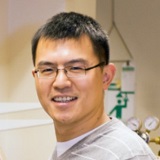
Jianmin Gao, PhD, Professor of Chemistry, Boston College
Professor Gao received his college education at the University of Science of Technology of China (USTC), where he received Guo MoRuo Fellowship, the highest honor a USTC undergraduate could have. In 1999, Professor Gao came to the United States to pursue graduate education, for which he worked with Professor Eric Kool in the Chemistry Department of Stanford University. As a graduate student, Professor Gao worked on the synthesis and evaluation of novel DNA analogues. In 2004, Professor Gao moved to the Scripps Research Institute, where he was a post-doctoral fellow with Professor Jeff Kelly. His post-doctoral work exploited chemical protein synthesis to understand protein folding and stability. Professor Gao started his independent career at Boston College in 2007 and was awarded tenure in 2013. The Gao group research lies at the interface of organic chemistry, chemical biology, and microbiology. His group develops novel chemistries and strategies to enable probe/inhibitor design for important biological targets that are undruggable by traditional synthetic molecules. Specifically, Gao and coworkers have reported the utilization of polar- interactions (Acc. Chem. Res, 2013) and dynamic covalent chemistry (Acc. Chem. Res, 2019) in molecular design to target biomolecules. Furthermore, the Gao group has integrated these novel binding mechanisms into high-throughput screening platforms for molecular probe discovery. The research of the Gao group has resulted in forty publications and attracted funding from both NSF and NIH. Professor Gao was recognized by a Smith Family Young Investigator Award (2007), an Ono Pharma Breakthrough Science Award (2020), and a Distinguished Faculty Award (2019) from the Chinese-American Chemistry & Chemical Biology Professors Association (CAPA). He was also the recipient of the Boston College’s Teaching & Mentoring Award of 2020.
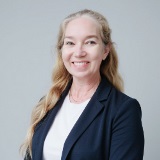
Elisabeth Gardiner, PhD, CSO, Tevard Biosciences
Elisabeth is Chief Scientific Officer at Tevard Biosciences, joining the leadership team in 2025 to spearhead the company’s pioneering tRNA-based gene therapies for rare diseases with high unmet need. With over 25 years in the biopharmaceutical industry, she has directed and managed drug discovery and development efforts yielding 11 IND filings, four Phase I/II trial candidates, and one Phase III candidate. Prior to Tevard, Elisabeth held senior R&D leadership roles at Tactile Therapeutics, Alterome Therapeutics, Aravive, and Kinnate Biopharma, where she directed multidisciplinary teams and advanced programs from discovery to clinical-stage development across neurology, oncology, and rare disease. Elisabeth’s commitment to the ethical development of effective and accessible medicines is her key focus in life. In addition to her professional work, Dr. Gardiner acts as a patient advocate in the rare disease and oncology space. Elisabeth earned her PhD from the University of Wisconsin-Madison and holds a BS and an MS from Texas A&M University.
Paloma Giangrande, PhD, President & Founder Biologic Insights LLC; CSO & Founder, Program Therapeutics Inc.
Dr. Giangrande was until recently at Eleven Therapeutics in Cambridge, MA and an Adjunct Professor of Internal Medicine at the University of Iowa. She obtained her Bachelor of Science degree in Biochemistry at Wheaton College, Norton, MA in 1994 and her PhD in Pharmacology and Cancer Biology at Duke University, Durham, NC in 1999. Her career has been dedicated to the investigation and development of RNA-based therapeutic approaches (including RNA aptamers, siRNAs, mRNA, RNA editing) for cancer, cardiovascular disease, rare diseases, and critical illness. As a consequence, Dr. Giangrande developed a deep understanding of these technologies, diseases, and associated disease mechanisms. She is an internationally recognized expert in oligonucleotide therapeutics and delivery. Towards this end, she was the first to demonstrate that RNA ligands (aptamers) can be used to deliver therapeutic siRNAs to target cells. Her 70+ publications and 9+ patents are a testament to this body of work and her commitment to the development of novel RNA-based therapies for many diseases.
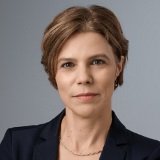
Adi Gilboa-Geffen, PhD, CTO, Eleven Therapeutics
Biotech entrepreneur with over 20 years of experience in life sciences, specializing in diagnostics and therapeutics. As the Chief Technology Officer at Eleven Therapeutics and co-founder and CSO and co-founder of DOTS Technology Corp, I have focused on developing cutting-edge platforms to advance healthcare solutions. With a Ph.D. in Biological Chemistry and research felllow at Harvard Medical School, I combine scientific expertise with business leadership to drive innovation in the biotech industry.
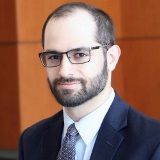
Daniel Glazier, PhD, Senior Scientist II, Medicinal Chemistry, Alltrna
Daniel Glazier is a senior scientist at Alltrna where he co-leads a multidisciplinary tRNA design team developing tRNAs to readthrough premature termination codons (PTCs). These medicines restore the production of full-length proteins, independent of gene and PTC/mutation location. Before Alltrna, Dan worked at Arrowhead Pharmaceuticals developing siRNA conjugates targeting extrahepatic tissues. He earned his PhD from the University of Wisconsin - Madison in 2019, where he studied carbohydrate chemistry.

Jack Godfrey, PhD, Senior Scientist, Biology, Wave Life Sciences
Dr. Jack Godfrey is a senior scientist with seven years of industry experience specializing in oligonucleotide therapeutics, including small interfering RNAs (siRNAs), antisense oligonucleotides (ASOs), splice-switching oligonucleotides, and RNA editing. Jack holds a Ph.D. in Molecular Biology and has contributed to the development and optimization of innovative RNA-based therapies targeting a range of genetic and rare diseases. Jack has led multidisciplinary teams in the design, synthesis, and preclinical evaluation of oligonucleotide candidates, with a focus on improving molecular stability, specificity, and delivery. He has authored multiple peer-reviewed publications and is an inventor on several patents in the field of RNA therapeutics.
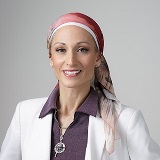
Iris Grossman, PhD, Chief Therapeutics Officer, R&D, Eleven Therapeutics US, Inc.
On the leading edge of Personalized Medicine, Big Data Analytics and BioPharmaceutical R&D for >20 years, Iris Grossman, PhD is the Chief Therapeutics Officer of Eleven Therapeutics, where she oversees the strategy and development of novel RNA-based therapeutics discovered by the company’s platform, which uniquely marries between combinatorial chemistry and A.I. to decipher the structure-activity relationship of durable, effective and safe respiratory and metabolic therapeutics. Prior to joining Eleven, Iris served in Chief Scientific Officer roles (CAMP4, Amide Technologies (acting)) and consulted for top VCs in the Boston area. Prior to that, Iris held leadership positions in, or consulted for Big Pharma (GSK, Eli Lily, Takeda and Teva - where she was VP, Head of Early-Stage Development). She specializes in leveraging multi-dimensional genomic insights and eHealth as engines of therapeutic discovery, development and lifecycle management across a wide range of modalities and therapeutic areas. Dr. Grossman serves as Chairman of the Pharma/Life Sciences SAB at BC Platforms, and as Strategic Founding Advisor at Modulight.bio, and CGRP Diagnostics. She was a pioneering Steering Committee member of Tipa (Maccabi biobank) and is an active member and strategic advisor to the 8400 Healthcare network. Iris has championed various multi-year, multi-million dollars partnerships and collaborations, as well as won multiple awards, throughout her career, including the prestigious Top 40 under 40 award (2013) by Globes - Israel’s business arena, and various recognition awards for contributions to R&D programs and cutting edge science. Dr. Grossman earned her B.Sc. in medicine at the Technion, and a Ph.D. in medicine, population genomics and pharmacogenetics from the Technion, co-mentored with the Weizmann Institute. Her post-doc fellowship in Personalized Medicine and Population Genomics was completed at Duke university. She recently completed a Harvard Business School Executive HealthTech program.

Akash Gupta, PhD, Postdoctoral Researcher, Massachusetts Institute of Technology
Akash Gupta, PhD, is a research scientist in the labs of Professor G. Anderson and Professor Robert Langer at MIT. His research focuses on engineering delivery vehicles and RNA-therapeutics for vaccine development and cancer immunotherapy. In 2019, he received his PhD from University of Massachusetts Amherst with Professor Vincent M. Rotello where he worked on engineering nanomaterial design to treat multi-drug-resistant bacterial infections. He has published over 30 scientific papers and is an inventor on more than 5 granted and pending patents.

Sushma Gurumurthy, PhD, Former Senior Director, Oncology Research, Moderna, Inc.
Sushma Gurumurthy, PhD is a distinguished scientist with over 15 years of experience in oncology research and mRNA therapeutics. Since joining Moderna in 2015, Sushma has led the preclinical discovery and development of mRNA therapeutics for application in oncology. Prior to Moderna, she led different oncology early-stage discovery programs at the Belfer Institute in Dana Farber Cancer Institute. She received her PhD from the University of Kentucky and completed her postdoctoral training at the Massachusetts General Hospital Cancer Center and Harvard Medical School.
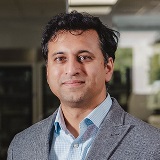
Arjan Hada, PhD, Senior Scientist, Machine Learning Bioinformatics, iBio Inc.
Arjan Hada is a full stack drug discovery scientist at iBio. He combines in-silico protein design, wet-lab experiments and structural biology to accelerate therapeutic development. With experience across the biopharma industry, he earned his Ph.D. from Southern Illinois University Carbondale, studying multisubunit protein complexes using biochemistry, genomics, and proteomics.
Reka Haraszti, PhD, Resident & Group Leader, Hematology & Oncology, University Hospital Tuebingen
My career bridges circadian biology (Semmelweis University, Hungary), RNA regulation (Karls-Ruprecht University, Heidelberg, Germany), siRNA chemical biology and preclinical development (Umass Chan School of Medicine), as well as immunology (Eberhard-Karls University, Tübingen, Germany), and clinical hematology-oncology (University Hospital Tübingen, Germany). As an active physician, I understand the unmet needs of patients and the limitations of current medical approaches, which I address through scientific research. As an academic scientist, I focus on developing technologies and investigating questions with direct medical relevance, advancing translation from bench to bedside.

Alan Horsager, PhD, Managing Partner, Concept Bio
Alan Horsager, PhD, is Co-Founder and Managing Partner of Concept Bio, a biotech venture studio dedicated to transforming early- and mid-stage therapeutic discoveries into development-ready companies. He has more than 15 years of experience founding and leading innovative life science ventures across gene therapy, molecular diagnostics, and RNA therapeutics. Alan is also Co-Founder and CEO of Twin Peaks Bio, an immuno-oncology company advancing bifunctional oligonucleotides that simultaneously activate innate immunity and inhibit oncogenic signaling in solid tumors. Previously, he served as President and CEO of Duet BioTherapeutics, which pioneered the CpG-STAT3 inhibitor platform, and as CEO of Episona, an epigenetics company developing diagnostics for male infertility. Earlier in his career, Alan’s translational research helped lay the groundwork for optogenetic gene therapy approaches for restoring vision in retinitis pigmentosa. He earned his PhD in Neuroscience from the University of Southern California and has since dedicated his career to bridging cutting-edge academic innovation with practical therapeutic development.
Xiao Shelley Hu, PhD, President and Founder, Translational Consulting LLC
Dr. Xiao Shelley Hu is a seasoned pharmaceutical scientist with over 20 years of experience driving innovation across multiple therapeutic areas. She earned her Ph.D. and M.S. in Pharmaceutics from The Ohio State University, an M.S. in Environmental Chemistry from the Chinese Academy of Sciences, and a B.S. in Pharmacy from Peking University. As the President and Founder of Translational Consulting LLC, Dr. Hu provides specialized expertise in DMPK, clinical pharmacology, pharmacometrics, and translational strategies to pharmaceutical and biotech companies. Her leadership experience includes serving as Vice President and Head of DMPK and Clinical Pharmacology at Wave Life Sciences, where she spearheaded regulatory filings and advanced global programs involving antisense oligonucleotides, siRNA, and A-to-I editors. Previously, at Akebia Therapeutics, she led Clinical Pharmacology and Bioanalytical Science Department, overseeing registrational studies leading to the approval for VAFSEO. During her tenure at Biogen, she played a pivotal role in the approval of PLEGRIDY and contributed to TECFIDERA world-wide approval. A published author and sought-after speaker, Dr. Hu is committed to leveraging her deep expertise to champion data-driven approaches and shape the future of personalized medicine.
Andrew Isidoridy, Immunology Sales Specialist, Sales, ProImmune Ltd
Andrew earned his PhD in molecular biology from the University at Albany under the direction of Professor Robert Osuna, identifying and characterizing post translational modifications of the transcription factor DksA in E. coli. He joined ProImmune in 2019 after completing his doctorate and currently works on providing innovative solutions for clients that deeply improve our understanding of both desired and unwanted immune responses.

Aimee Jackson, PhD, Principal, Jackson Biosciences
Aimee most recently served as the Chief Scientific Officer for Atalanta Therapeutics and has worked in the field of RNA interference and oligonucleotide therapeutics for 25 years. Aimee joined Atalanta as employee #3 and has been responsible for building and directing a fully integrated research organization to identify and develop divalent siRNAs for CNS indications. Prior to joining Atalanta, Aimee served as the Vice President of Research for miRagen Therapeutics, where she advanced 3 microRNA programs from initial concept to First-in-Human clinical trials in less than 5 years. These programs encompassed diverse therapeutic areas and comprised both microRNA mimics and inhibitors. All three programs successfully completed Phase 1 clinical trials, and two of these programs advanced to Phase 2 clinical trials. Prior to joining miRagen, she led preclinical research at Regulus Therapeutics and Merck/Rosetta, where she served as Molecular Profiling Lead for the development of siRNA-based therapeutics. Known for identifying siRNA off-target effects, she played a lead role in the identification of siRNA design and chemistry aspects for enhanced activity and specificity. Aimee is known for being passionate about cutting-edge and innovative approaches to technology and medicine to improve patients’ lives.
Sibo Jiang, PhD, Vice President, CMC Development, Sanegene Bio
Dr. Sibo Jiang is Head of CMC at SanegeneBio, leading process and analytical development, manufacturing, and CMC strategy for the company’s LEAD (Ligand and Enhancer Assisted Delivery) platform and expanding siRNA pipeline. Under his CMC leadership, Sanegene has achieved four IND clearances across autoimmune and cardiometabolic indications, with lead programs now in Phase II. Previously, Dr. Jiang headed Process Development at Nitto Denko Avecia’s Cincinnati site, advancing oligonucleotide API programs from preclinical through late-stage and commercial phases. He earned his Ph.D. in Organic Chemistry from Georgia State University. With more than 15 years of experience spanning research, CDMO operations, and drug development, he brings deep expertise in process and analytical development, scale-up, validation, and CMC regulatory strategy.

Jaspreet Khurana, PhD, Senior Director, mRNA Programming, Strand Therapeutics, Inc.
Dr. Jaspreet Khurana is an RNA molecular biologist by training who is passionate about transforming innovative platforms into meaningful therapies for patients. Following a PhD in Biomedical Sciences from UMass medical school, Worcester, he joined Princeton and Columbia University for a postdoc where he utilized functional genomics to study genomic rearrangements. With 13+ years of post-PhD expertise in RNA molecular biology, he has proven experience leading cross-functional teams across early stages of drug development. Currently he is focused on mRNA platform development for immunotherapy programs at Strand Therapeutics.
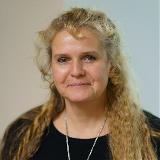
Anastasia Khvorova, PhD, Professor, RNA Therapeutic Institute, University of Massachusetts Medical School
Anastasia Khvorova, PhD, is The Remondi Family Chair in Biomedical Research and Professor in the RNA Therapeutics Institute (RTI) and Program in Molecular Medicine at the University of Massachusetts Medical School (UMMS). She has more than twenty years of experience developing oligonucleotide technology and therapeutics. Her lab brings together hardcore organic and oligonucleotide chemists, RNA biologists, and pharmacologists to develop novel approaches and solutions to understanding natural and therapeutic RNA trafficking and delivery. She established the RTI’s Nucleic Acid Chemistry Center, which provides expertise in RNA chemistry to labs within and outside UMMS, and is the only non-profit center in North America capable of synthesizing complex RNAs at scales necessary to support both in vitro and in vivo studies. Dr Khvorova joined UMMS after several years in industry, during which she served as Chief Scientific Officer at lead biotech companies (Dharmacon, ThermoFisher; RXi Pharmaceuticals) and co-founded several startups. She is At-Large Director and Scientific & Research Council Chair of the American Society of Gene & Cell Therapy and served for several years as Director of the Oligonucleotide Therapeutics Society. Dr Khvorova is named as inventor on more than 150 patents and 200 patent applications, and she has authored more than 80 peer-reviewed publications, including seminal articles in Cell, Nature, and Nature Biotechnology (citation index exceeding 2000 per article) defining the field of RNAi drug design and development. Dr Khvorova is principal investigator on four major National Institutes of Health grants.
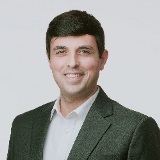
Edo Kon, PhD, Director of Business Development, RiboX Therapeutics
Edo Kon is the Director of Business Development at RiboX Therapeutics, where he leverages his extensive background in biotechnology and strategic planning to identify emerging trends and novel therapeutic opportunities. Before this, he served as the Principal Scientist of Lipid Nanoparticle (LNP) Science at RiboX Therapeutics. He founded and led the LNP research teams to develop novel formulations and strategies for circular RNA delivery. His past experience includes leading projects to develop mRNA-LNPs as cancer nanomedicines and innovative vaccines against lethal antibiotic-resistant bacteria. He is the author of multiple high-impact manuscripts that focus on RNA delivery. He holds a PhD and an MBA from Tel Aviv University.
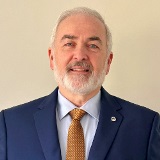
Adrian Krainer, PhD, St. Giles Foundation Professor, Cold Spring Harbor Laboratory, CSHL Cancer Center
Adrian Krainer, PhD, is the St. Giles Foundation Professor at Cold Spring Harbor Laboratory. His lab studies the mechanisms and regulation of messenger RNA splicing in human cells, and the role of splicing dysfunction in genetic diseases and cancer. His lab is also engaged in the preclinical development of antisense-oligonucleotide drugs that target RNA splicing or other RNA-processing steps. Together with Ionis Pharmaceuticals and Biogen, Adrian’s lab developed nusinersen (Spinraza), which was approved by the FDA in 2016 as the first treatment for spinal muscular atrophy, a neurodegenerative disease that was the leading genetic cause of infant mortality. He is a member of the U.S. National Academy of Sciences, the National Academy of Medicine, and the American Academy of Arts & Sciences, and has received multiple major scientific awards. Adrian served as President of the RNA Society in 2014, and currently serves on the advisory boards of several scientific centers and networks, non-profit foundations, and biotechnology companies in the US, Europe, and Latin America. He is a co-founder and Director of Stoke Therapeutics.

Arthur Krieg, MD, Founder, President and Acting CEO/CSO, Zola Therapeutics
Art Krieg, MD, is currently an adjunct Professor in the UMass Chan Medical School RNA Therapeutics Institute and serves on the scientific advisory boards of several companies developing oligonucleotide therapeutics. Art founded Zola Therapeutics in 2023, and serves as CEO with the goal of developing a new generation of TLR7/8/9 oligonucleotide agonists for cancer immunotherapy, and small molecule antagonists for the treatment of SLE and other autoimmune diseases. Previously, Art founded Checkmate Pharmaceuticals, until its acquisition by Regeneron in 2022. Previously, Art was CSO at Sarepta until July 2014; co-founder and CEO at RaNA Therapeutics from 2011 to 2013; CSO of Pfizer’s Oligonucleotide Therapeutics Unit from 2008 to 2011; co-founder, CSO of Coley Pharmaceutical Group from 1997 to 2008, and Professor, University of Iowa College of Medicine Division of Rheumatology from 1991 to 2001. Art co-founded the first antisense journal, Nucleic Acid Therapeutics, which he edited for 16 years, and the Oligonucleotide Therapeutics Society, for which he recently served as President. He has published more than 250 scientific papers, and is an inventor on >50 issued US patents covering oligonucleotide technologies.
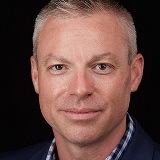
Neil Kubica, PhD, Therapeutics Division Lead, General Inception
Neil is a biopharma executive, co-founder, and board member with deep experience in organizational leadership and company building. He started his career at the Novartis Institutes of BioMedical Research (Cambridge, MA), where he established and co-led the effort to target RNA biology with small molecules. Neil then served as the Director of RNA Biology at Arrakis Therapeutics, where he led the platform-building efforts that were the cornerstone of the company's Series B financing and pharma partnerships with Roche and Amgen. Neil was VP, Head of Platform Development at Alltrna, where he co-invented a novel oligonucleotide modality based on engineered tRNAs as a universal medicine for premature termination codon mutations across thousands of human diseases. His company-building efforts resulted in a Series A financing from Flagship Pioneering and set the stage for a Series B raise to advance the organization's first drug candidates to the clinic. Neil served as CSO at Ananke Therapeutics and subsequently co-founded Verto Therapeutics to discover and develop selective mRNA translation modulators for genetically validated targets that are traditionally difficult to drug using conventional approaches. He is currently the Therapeutics Division Lead at General Inception, a venture studio that partners with technical founders to build world-class companies and deliver innovative medicines to patients in need. Neil earned a BS in Biology from James Madison University and a PhD in Molecular & Cellular Physiology from Penn State University. He was an American Cancer Society Postdoctoral Fellow in the Department of Cell Biology at Harvard Medical School.
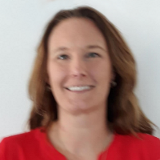
Sarah Lamore, PhD, Senior Director, Toxicology, Wave Life Sciences
Sarah is Senior Director of Toxicology at Wave Life Sciences. Prior to joining Wave, Sarah was Senior Director of Toxicology at PepGen Inc. focusing on peptide-conjugated oligonucleotides and Toxicologist at Biogen where she worked on several modalities including small molecules and antisense oligonucleotides. She did her postdoctoral training at AstraZeneca and then joined the company as a Discovery Safety Scientist. She holds a PhD in Pharmacology and Toxicology from University of Arizona and is a Diplomate of the American Board of Toxicology.
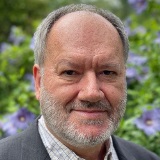
Ekkehard Leberer, PhD, Professor of Biochemistry, Technical University of Munich; Senior Consultant, ELBIOCON; Advisor, Neuway Pharma
Dr. Leberer received his Ph.D. in Biology at the University of Konstanz, Germany (1986), and conducted post-doctoral training in molecular biology at the Banting and Best Institute of the University of Toronto, Canada. He then obtained the Habilitation for Professor of Biochemistry at the University of Konstanz, Germany (1992). From 1989-1998, he served as Senior Research Officer in genetics and genomics at the Biotechnology Research Institute, National Research Council of Canada, Montreal. He was also Adjunct Professor at McGill University, Montreal. Since joining the pharmaceutical industry in 1998, Dr. Leberer carried out various managing roles in Hoechst Marion Roussel, Aventis and Sanofi, including responsibilities in functional genomics, biological sciences, alliance management and external innovation for oligonucleotide-based therapeutics. In addition, from 2012-2018, he has been the Scientific Managing Director of the Innovative Medicines Initiative COMPACT Consortium on the delivery of biopharmaceuticals across biological barriers and cellular membranes, Brussels. Since March 2021, Dr. Leberer is Senior Life Sciences Consultant at ELBIOCON (www.elbiocon.com). He serves as a member in Scientific Advisory Boards of several biotechnology companies, and he is the Head of the Supervisory Board of BioM, Munich. His research has focused on the molecular mechanisms of signal transduction and the role of signalling molecules in human diseases. He is the co-discoverer of the p21 activated protein kinase (PAK) family of cell signalling proteins and of novel virulence-inducing genes in pathogenic fungi. He is co-author of more than 60 publications in prestigious peer-reviewed journals including Nature and Science.
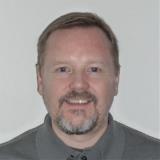
Marc Lemaitre, PhD, Oligonucleotide Therapeutics CMC/Regulatory Consultant, ML_Consult LLC
Marc Lemaître holds a degree in Organic Chemistry and a PhD in Biochemistry from the University of Liège, Belgium. Since 1985, Marc’s professional interests have been the study of the Nucleic Acids and therapeutics as well as diagnostic applications. Based in the USA since 2006 he worked for Glen Research, as CEO of Girindus America, a CMO with a focus on the cGMP manufacture of oligonucleotides for therapeutic applications. Marc is now working as consultant since 2013, working mostly on CMC with start-up and Pharma companies developing therapeutic oligonucleotides and peptides.
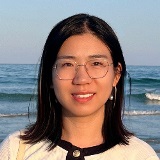
Sizhen Li, PhD, Computational Scientist Lead, Digital R&D, Sanofi
Sizhen Li is a Computational Scientist Lead in Digital R&D at Sanofi, specializing in computational biology, with a focus on mRNA vaccine design, optimization, and RNA structure prediction.

Yongfu Li, Head Chemist, Chemistry, Gene Tools LLC
Yongfu Li obtained his Ph. D. from the University of Vienna, Austria. After postdoctoral research work at the University of Cambridge, UK, he joined AVI Biopharma, Inc, USA (now Sarepta Therapeutics, Inc). Four years thereafter, he assumed the position of Head Chemist at Gene Tools, LLC and has been serving the role ever since. Throughout his career as a Morpholino chemist for nearly 30 years, his most remarkable contributions to Morpholino chemistry are: (1) invention of double-protection of Morpholino guanosine subunit for high quality oligo production, and (2) invention of Vivo-Morpholino, a class of intracellularly penetrable Morpholino oligos for in vivo antisense studies.

Amit Luthra, PhD, Associate Director, Dyne Therapeutics Inc.
Amit Luthra is the Associate Director of Platform Discovery and Bioconjugation at Dyne Therapeutics, specializing in vaccine development and nanoparticle technologies. Before joining Dyne, Amit served as an Assistant Professor at UConn Health in Connecticut, where he focused on vaccine development and worked across various modalities. He completed his postdoctoral training at UConn Health. Amit holds a PhD in Structural Biology from the Central Drug Research Institute in India and a master's degree from the Indian Institute of Technology.
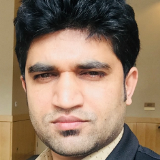
Ajit Magadum, PhD, Assistant Professor, Center for Regenerative Medicine, Department of Internal Medicine, Heart Institute, University of South Florida
Dr. Ajit Magadum, PhD, is a Assistant Professor, Center for Regenerative Medicine, Department of Internal Medicine, Heart Institute, University of South Florida.. He received his PhD from the Max Planck Institute for Heart and Lung Research, Germany. During his postdoctoral tenure at Mount Sinai in New York, Ajit delved into the innovative realm of modified mRNA (modRNA) as a potent gene therapy tool for combating cardiovascular and metabolic diseases (CVMD). He made significant strides in designing modRNA delivery systems tailored for the cardiovascular system, employing various carriers, to ensure robust and enduring modRNA expression within cardiac tissues. Ajit's groundbreaking work unveiled a treasure trove of novel genes (6 targets), delivered as modRNA to the heart, inducing cardiomyocyte proliferation and cardiac regeneration, inhibiting cardiac hypertrophy and fibrosis offering promising avenues for treating CVMD and fibrotic conditions. Ajit is celebrated for pioneering the development of cell-specific mRNA delivery platforms known as SMARTs (Specific Modified mRNA Translation System) in the context of CVD in 2016. This innovation allowed for the precise targeting of modRNA expression exclusively in cardiomyocytes or non-cardiomyocytes within the heart, opening up new horizons for cell-specific mRNA therapeutics in the realm of CVMD. He has published over 20 papers, along with the successful filing of 3 patents, which have been licensed and sublicensed to leading biotechnology companies. He won the Outstanding Research Innovation Award from Mount Sinai Hospital, New York, in 2017 for his contributions to mRNA therapeutics development for CVMD. Ajit received the esteemed ISHR-NAS Young Investigator Award (YICA, runner-up) in 2022 and the prestigious Melvin L. Marcus Early Career Investigator Award from the American Heart Association (AHA) in 2022. At present, Ajit's research endeavors continue to revolve around leveraging modRNA and cell-specific modRNA as innovative therapeutic modalities to target CVMD.

Mano Manoharan, PhD, Distinguished Scientist & Senior Vice President, Innovation Chemistry, Alnylam Pharmaceuticals
Muthiah Manoharan, PhD. Dr. Muthiah (Mano) Manoharan serves as a Senior Vice President of Drug Innovation, a Scientific Advisory Board Member, and a Distinguished Research Scientist at Alnylam Pharmaceuticals, Cambridge, Massachusetts, USA. In 2003, he was the first chemist hired at Alnylam. He and his team pioneered the discovery and development of the chemical modifications, GalNAc conjugation chemistry, and LNP delivery platform that make RNA interference-based human therapeutics possible. This work led to the approval of four RNAi therapeutics: ONPATTRO® (patisiran, 2018), GIVLAARI® (givosiran, 2019), OXLUMO® (lumasiran, 2020) and Lequio® (inclisiran, 2020). Dr. Manoharan has had a distinguished career as a world-leading chemist in the field of oligonucleotides. He is an author of more than 225 publications (nearly 50,000 Google Scholar citations with an h-index of 101 and an i10-index of 399) and over 400 abstracts, as well as an inventor of over 250 issued U.S. patents. Prior to Alnylam, Dr. Manoharan worked in the field of antisense oligonucleotide therapeutics at Ionis (formerly Isis) Pharmaceuticals and LifeCodes Corporation (1988-1990) . Dr. Manoharan received his B.Sc. and M.Sc. degrees in chemistry at the American College, Madurai, India. He earned his Ph.D. in chemistry (with Professor Ernest L. Eliel) at the University of North Carolina, Chapel Hill and carried out post-doctoral research (with Professor John A.Gerlt) in the field of oligonucleotide chemistry at Yale University and at the University of Maryland. Dr. Manoharan is the winner of the Lifetime Achievement Award of the Oligonucleotide Therapeutics Society (2019), the M. L. Wolfrom Award from the American Chemical Society (2007) and D. Horton Industrial Carbohydrate Chemistry Award from the American Chemical Society (2021).
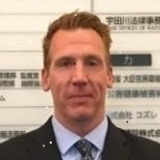
Eric McKinney, Senior Director, CMC Regulatory Affairs, Alnylam Pharmaceuticals
Eric McKinney is a Senior Director of CMC, Regulatory Affairs at Alnylam Pharmaceuticals. In his role, he leads the development and implementation of Alnylam’s global regulatory CMC strategy for developmental programs. Eric has over twenty years of experience in the pharmaceutical industry, and prior to Alnylam, he spent eleven years with Boehringer Ingelheim. Initially, Eric started his career on the technical track with positions in Quality Control & Analytical Development before transitioning into Regulatory Affairs. While at Alnylam, Eric designed and implemented programs for stability, specifications, and extractables & leachables. He serves on the Board of Directors for the International Consortium for Innovation and Quality (IQ). Eric holds degrees in Microbiology from The University of Akron and Pharmacology from Michigan State University.


Debra Miller, Founder & CEO, CureDuchenne
Debra Miller is Chief Executive Officer and Founder of CureDuchenne, a nonprofit organization dedicated to finding and funding a cure for Duchenne muscular dystrophy, a degenerative neuromuscular disease. She founded CureDuchenne in 2003 after her only son, Hawken, was diagnosed with Duchenne and very little was known about the disease. At the time, there were no available treatments and no hope for a cure. Today, CureDuchenne is recognized as a global leader in research, patient care, and innovation for improving and extending the lives of those with Duchenne. CureDuchenne’s innovative venture philanthropy model has advanced transformative treatments for Duchenne muscular dystrophy, including 19 projects that advanced to human clinical trials and multiple projects to overcome the limitations of exon-skipping and gene therapy. In addition, CureDuchenne contributed early funding to the first FDA-approved Duchenne drug, pioneered the first and only Duchenne physical and occupational therapist certification program and created an innovative biobank and data registry, accelerating research toward a cure. Prior to creating CureDuchenne, Debra worked in publishing with positions at IDG Communications, Cahners Publishing, Ziff-Davis Publishing, Scholastic Publishing, and more. Miller holds a Bachelor of Arts in Communication Studies from the University of California Los Angeles. She currently serves on the Alliance for Regenerative Medicine Board, Department of Defense's Congressionally Directed Medical Research Committee Programmatic Panel, and the Bespoke Gene Therapy Consortium, to name a few. Debra has received numerous awards, including the EY Entrepreneur of the Year™ Award and Orange County Business Journal’s Women in Business Award.

Terry Moore, PhD, Associate Professor, Pharmaceutical Sciences, University of Illinois Chicago
Terry W. Moore is a Professor in the Department of Pharmaceutical Sciences at the University of Illinois Chicago. His research program focuses on designing, synthesizing, and characterizing new small molecule and peptide probes to modulate protein targets. Terry’s lab at UIC uses the tools of synthetic medicinal chemistry, peptide chemistry, drug discovery and chemical biology. He earned his PhD in chemistry under the guidance of John Katzenellenbogen at the University of Illinois at Urbana-Champaign and completed postdoctoral studies with Dennis Liotta at Emory University.

Justin Murray, PhD, Senior Director, Research, Amgen Inc.
Justin received his BSc in Chemistry from the Colorado School of Mines. He received his PhD from the University of Wisconsin - Madison under the direction of Prof. Sam Gellman for research on beta-peptide inhibitors of protein-protein interactions. He joined the Peptide Research & Discovery group at Amgen in 2006 and focused his research on disulfide-rich peptide inhibitors of ion channels, also developing his interests in high-throughput synthesis and laboratory automation. As the group evolved into Hybrid Modality Engineering, Justin helped to establish Amgen’s antibody-peptide conjugate platform that eventually produced MariTide. Then in 2016, he took his career in a significantly different direction by leading the initiative in Research to establish oligonucleotide therapeutics as a new modality at Amgen. He first helped advance AMG 890, Olpasiran, against Lp(a) for cardiovascular disease in collaboration with Arrowhead Therapeutics. He built an internal hepatic siRNA platform and led in the effort that yielded AMG 609, Amgen’s first homegrown GalNAc-siRNA clinical candidate against PNPLA3 I148M for MASH. Leading the newly formed RNA Therapeutics group, he helped deliver another clinical candidate, AMG 266 for mARC1. Now in his 20th year at Amgen, Justin is Senior Director of the Genetic Medicines group, advancing siRNA and mRNA therapeutics and exploring all aspects of targeted delivery. He is active in business development prospecting for enabling technologies and rare disease assets and leads several research collaborations.
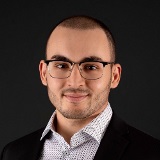
Alan Nafiiev, PhD, CEO & Founder, Receptor.AI
Alan is the Founder and CEO of Receptor.AI, where he leads the development of an AI-native multi-platform ecosystem for peptide and small-molecule induced proximity therapeutics. Under his leadership, Receptor.AI integrates computational planning, de novo molecular design, and experimental strategy into a unified intelligent system to accelerate end-to-end drug discovery. His work focuses on AI-guided peptide optimization, including target-specific affinity modeling, permeability prediction, and rational design of peptide-drug conjugates and small-molecule conjugates. Alan has initiated and overseen over 40 discovery programs across immunology, oncology, neurology, and induced proximity, partnering with leading pharmaceutical companies in the US, Europe, and Japan. With a background in computational drug design and data science, he is driving the evolution from standalone predictive tools toward orchestrated AI agentic systems that support strategic decision-making and science in drug discovery. Receptor.AI’s platform has been validated through multiple industrial collaborations and is now used to generate spin-out therapeutic assets rooted in proprietary technological advances.
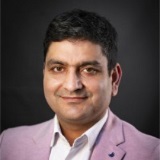
Amit Nayyar, PhD, General Manager, Cohance
Dr. Amit Nayyar is a distinguished medicinal chemist and drug discovery scientist with over two decades of experience in synthetic and medicinal chemistry. His work has been instrumental in developing life-saving treatments for infectious diseases, cancer, and metabolic disorders. Notably, he played a pivotal role in the development of Pretomanid (PA-824), an FDA-approved drug for treating extensively drug-resistant (XDR) and multidrug-resistant (MDR) tuberculosis. His expertise encompasses multiple therapeutic areas, including oncology, infectious diseases, and kinase inhibitor research. Currently, Dr. Nayyar serves as the General Manager at Cohance Life Sciences in Montreal, Canada, where he leads innovative projects in antibody-drug conjugates (ADCs), payload linkers, and novel payload development, advancing targeted cancer therapies. Previously, as a Principal Scientist at Theratechnologies Inc., he contributed to peptide-drug conjugates utilizing SORT1 Technology™, optimizing linker chemistry for enhanced stability and efficacy. His efforts resulted in the development of two preclinical candidates awaiting movement to clinic. Dr. Nayyar also served as a Principal Scientist at Paraza Pharma, where he played a key role in protein kinase inhibitor (PKI) programs. His early career included positions at Advanced Molecular Technologies (AMT) in Australia, AMRI Global in Singapore, and the National Institutes of Health (NIH) in Bethesda, USA, where he contributed to tuberculosis drug development in collaboration with the Novartis Institutes for Tropical Diseases. Beyond drug development, Dr. Nayyar has extensive experience in strategic project management, patent filings, and cross-functional collaborations. He has authored multiple patents and high-impact peer-reviewed publications. Dr. Nayyar holds a Ph.D. in Medicinal Chemistry from the National Institute of Pharmaceutical Education and Research (NIPER), India.
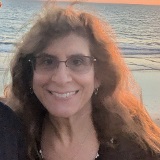
Stephanie Nelson, Director, CMC Regulatory, Ionis Pharmaceuticals
Stephanie Nelson joined Ionis Pharmaceuticals, Inc. in April 2024 as Director, CMC Regulatory Affairs. She currently serves as a team lead and program lead, where she focuses heavily on the development and execution of CMC strategies for ASOs to support global clinical trial applications and initial commercial applications in US and ex-US countries. Prior to Ionis, Stephanie was a Director in Pfizer’s Oncology & Rare Disease CMC Regulatory Affairs organization. She has over 30 years of industry experience and holds a BA in Biology from Dartmouth College and an MS in Regulatory Affairs & Quality Assurance from Temple University.

Emily Noonan Place, PhD, Senior Consultant, Aclairo Pharmaceutical Development
Emily is currently a Senior Consultant at Aclairo. She recently made a transition from working as a pharmacology/toxicology reviewer at the FDA in CDER’s Office of Oncologic Diseases for over 8 years. At FDA, she worked on a team that supported a division reviewing applications in benign heme and hematological malignancies, and also on a team in a division reviewing applications in solid tumors. During her time at the FDA co-chaired a Pharmacology/Toxicology Subcommittee for Oligonucleotide Therapeutics on which she performed consults, provided education, developed internal practice, and oversaw the safety and activity of drug applications for Oligonucleotide Therapeutics in all of the therapeutic divisions across the Office of New Drugs. Emily received a bachelor’s in science in Biology from State University of New York at Binghamton, her PhD in Cell Biology from University of Connecticut, and an MPH in Epidemiology at the University of California at Berkeley. Following her PhD, she was an Associate Investigator at San Francisco VA Medical Center from 2007-2009 where her research focused on miRNA dysregulation in prostate cancer. She completed a postdoctoral fellowship at Stanford School of Medicine testing chemotherapeutics in a translational model of NHL and was a Cancer Prevention Fellow at the National Cancer Institute in the Laboratory of Human Carcinogenesis where her research involved examining the role of extracellular plant small RNA communication in human carcinogenesis. Her research has culminated in several publications in peer-reviewed journals and book chapters. She is also currently Faculty at the University of California at Berkeley, School of Public Health, in the Division of Biostatistics and teaches Biostatistics in the master’s in public program.
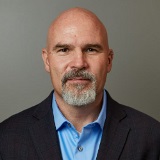
Chris Oswald, Founder, Owner, and Principal Consultant, Coswald Consulting LLC
Chris is an independent consultant specializing in CMC related activities for drug substance and drug product. His experience spans from developing oligo related analytical methods in the laboratory, to managing a commercial QC laboratory, and then into being the manufacturing plant manager for Agilent Technologies in Boulder CO. These roles have provided him exposure to many CMC strategies that have been successfully utilized for clinical, pre-commercial, and commercial oligonucleotides in both the drug substance and drug product arenas. Chris also has a wide range of experience in facility buildouts, both new and appended, allowing exposure and understanding of the many unseen, as well as the very visible, parameters related to facility, equipment, process, and personnel that are necessary to align and control in order to ensure a successful and robust scaleup / technical transfer.
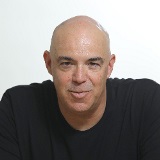
Dan Peer, PhD, Professor & Director, Laboratory of Precision Nanomedicine; Vice President for Research, Tel Aviv University
Dan Peer is a Professor and the Director of the Laboratory of Precision NanoMedicine at Tel Aviv University (TAU). He is also the Vice President for Research and Development at Tel Aviv University. From 2017 - Present, he is the Founding and Managing Director of the SPARK program of Translational Medicine at TAU. Professor Peer’s work was among the first to demonstrate systemic delivery of RNA molecules using targeted nanocarriers to the immune system and he pioneered the use of RNA interference (RNAi) in immune cells. His lab was the first to show systemic, cell specific delivery of modified mRNA in an animal to induce therapeutic gene expression of desired proteins. This has enormous implications in cancer, inflammation and infection diseases (e.g. COVID 19 mRNA vaccines). In addition, his lab was the first to show high efficiency, systemic, cell specific therapeutic genome editing in cancer. Prof. Peer has more than 150 pending and granted patents. Some of them have been licensed to several pharmaceutical companies and one is currently under registration (as a new biological drug in Inflammatory Bowel Disease). In addition, based on his work, five spin-off companies were generated aiming to bring innovative personalized medicine into clinical practice. Prof. Peer received more than 30 awards and honors and he serves on the scientific advisory board and as Board Member of more than 15 companies, and on the editorial board of more than 20 journals. In 2023 he was elected to the US National Academy of Engineers (NAE). In 2024, he was elected, Fellow, of the US National Academy of Inventors. In 2025, he was elected Fellow of the Controlled Release Society.
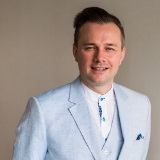
Bradley L. Pentelute, PhD, Professor, Department of Chemistry, Massachusetts Institute of Technology
Bradley L. Pentelute, Professor of Chemistry. He is also an Associate Member, Broad Institute of Harvard and MIT, an Extramural Member of the MIT Koch Cancer Institute, and Member, Center for Environmental Health Sciences MIT. He received his undergraduate degree in Psychology and Chemistry from the University of Southern California, and his M.S and Ph.D. in Organic Chemistry from the University of Chicago with Prof. Steve Kent. He was a postdoctoral fellow in the laboratory of Dr. R. John Collier at Harvard Medical School, Microbiology. His research program lies at the intersection of chemistry and biology and develops bioconjugation strategies, cytosolic delivery platforms, and rapid flow synthesis technologies to optimize the production, achieve site-specific modification, enhance stability, and modulate function of a variety of bioactive agents. His laboratory successfully modified proteins via cysteine-containing “pi-clamps” made up of a short sequence of amino acids, and delivered large biomolecules, such as various proteins and drugs, into cells via the anthrax delivery vehicle. Pentelute has also made several key contributions to automated synthesis technologies in flow. These advances includes the invention of the world's fastest polypeptide synthesizer.
Thimma Rawalpally, PhD, CMC Director, AstraZeneca
Thimma Rawalpally is a CMC Director at AstraZeneca, specializing in translating complex development data into phase appropriate, risk-based CMC strategies for modalities including small molecules and ASO. With more than two decades bridging process development, GMP manufacturing, and global regulatory strategy, he focuses on designing robust control strategies, and life cycle management. Previously at Genentech, Thimma served as Regulatory Program Director, leading end to end CMC strategies from first in human through NDA/BLA submissions. Earlier at Roche, Thimma progressed Senior Principal Scientist in process development to Drug Substance Technical Leader, overseeing network process consistency and regulatory compliance, and steering cross functional teams to remediate health authority findings and reestablish commercial API supply. Thimma holds a PhD in Organic Chemistry. he has authored 31 peer reviewed publications and contributed chapters to the Kirk Othmer Encyclopedia of Chemical Technology, Comprehensive Heterocyclic Chemistry, and Scalable Green Chemistry.
Tiziana Rossetti, PhD, Principal, Sofinnova Partners
Tiziana Rossetti is a Principal at Sofinnova Partners, working within the Telethon strategy, which focuses on early-stage investments in biotechnology and life sciences. She joined Sofinnova in 2019 as an Principal, bringing a strong scientific background and a passion for innovation. Before entering venture capital, she was a Senior Analyst at Innogest Capital and held an analyst internship at Merck Ventures. Tiziana holds a PhD in Neuroscience from Royal Holloway University of London, and conducted postdoctoral research at Imperial College London, University of Pittsburgh, and the Hertie Institute in Germany. She was also a Fulbright fellow in Business and Entrepreneurship at Santa Clara University, and has authored several scientific publications in journals such as Nature, Science, and Cell Transplantation.
Mark Rutstein, MD, Global Head, Oncology Development, Novartis Pharma SAS
Mark is currently Development Unit Head for Oncology at Novartis where he oversees development of the mid- and late-stage pipeline of drugs for both solid tumors and hematologic malignancies. Prior to this, he held the position of Therapeutic Area Head for Oncology at Daiichi Sankyo where he oversaw the development of the late-stage pipeline including several antibody drug conjugates for solid tumors. Before this, Mark served as Vice President for Oncology Development at Bristol Myers Squibb where he oversaw development of the late-stage immune-oncology pipeline. He held prior roles in oncology clinical development at Bayer, ImClone Systems, and Amgen. Mark received a BA degree from Columbia University in 1993, received an MD from the University of Massachusetts Medical School in 1999, completed an internal medicine residency at Brigham and Women’s Hospital in Boston in 2002, and received an MBA from Cornell University in 2004. A board-certified medical internist, Mark worked as a hospital based medical internist and intensivist prior to joining the pharmaceutical industry in 2004.
Dmitry Samarsky, PhD, CSO and Board Member, ARNAgen Therapeutics
Dmitry Samarsky, PhD, has been at the inception of RNAi technology and drug development™starting in 2001 as Director of Technology Development at Sequitur (acquired by Invitrogen) and (in 2005) as Director of Technology Development at Dharmacon (now part of GE). He then served as VP of Technology Development at RXi Pharmaceuticals, USA (2007-2011), SVP of Technology and International Business Development at RiboBio, China (2011-2016) and, most recently, as Chief Scientific Officer at Silence Therapeutics, Germany/UK (2016-2018) and Ceif Technology Officer at Sirnaomics, US. He is currently a Founding Scientist, CSO and Board Member at ARNAgen Therapeutics, US. Dr. Samarsky has authored more than 40 scientific papers, articles, book chapters, patents and patent applications. He has been an invited speaker at more than 100 international conferences, and currently serves on the Scientific Advisory Boards for the OTS (Oligonucleotide Therapeutics Society). Dr. Samarsky received his doctorate in biochemistry and molecular biology from University of Massachusetts, Amherst (1998), followed by a postdoctoral position as an H. Arthur Smith Fellow for Cancer Research in Michael Green's lab at University of Massachusetts Medical School (1998-2001).
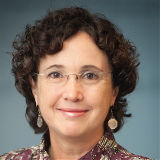
Laura Sepp-Lorenzino, PhD, Biotech Executive, Board Member, Advisor, former CSO of Intellia Therapeutics, Inc.
Laura Sepp-Lorenzino oversaw all platform and pipeline research activities across in vivo and ex vivo (engineered cell therapy) areas as Intellia’s Chief Scientific Officer. Before joining Intellia, she was vice president, Head of Nucleic Acid Therapies, Research, and member of the External Innovation team at Vertex Pharmaceuticals, Inc. She also served as vice president, entrepreneur-in-residence at Alnylam Pharmaceuticals, Inc., a leader in the development of RNAi Therapeutics. At Alnylam, she was responsible for the Hepatic Infectious Disease Strategic Therapeutic Area, championed extra hepatic siRNA delivery, and was active in licensing and partnering. Laura spent 14 years at Merck & Co., most recently having served as executive director and department head, RNA Therapeutics Discovery Biology. In this role, she was responsible for identification and optimization of siRNAs and delivery vehicles, advancement of preclinical candidates, and development of an siRNA-conjugate platform to expand the repertoire of tissues accessible to in vivo siRNA delivery. Laura also has expertise in oncology drug discovery and development acquired earlier in her career by leading the Cancer Research Department at Merck West Point and working as an assistant lab member and assistant attending molecular biologist at Memorial Sloan-Kettering Cancer Center. She received her professional degree in Biochemistry from the University of Buenos Aires, Argentina and both her MS and PhD in Biochemistry from New York University. Laura holds professional affiliations with key scientific organizations, including the Oligonucleotide Therapeutics Society, the American Society for Gene and Cell Therapy, the European Society of Gene and Cell Therapy, and the New York Academy of Sciences, as well as a number of oncology societies. She also sits on the scientific advisory board of Thermo Fisher Scientific, Lodo Therapeutics, the U.K. Nucleic Acid Therapy Accelerator and is a member of Taysha Gene Therapies’ board of directors.
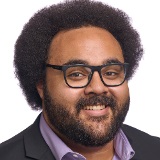
Adebowale Shoroye, Scientist, Biogen
Adebowale is a skilled professional with a background in Biochemistry and Mathematics, boasting 7 years of experience in the industry. Experienced in Quality Control (QC) and Analytical Development (AD) environments, Adebowale has developed methods for the analysis of Proteins, AAVs, and Oligonucleotides. Adebowale possesses extensive knowledge in chemical separation and biophysical characterization techniques. He is skilled in analytical instrumentation, method development in GMP settings, and is proficient with various computer programs and instruments. He possesses practical experience in introducing new instrumentation and methods to teams.
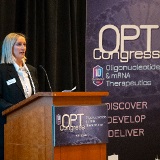
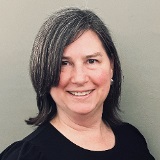
Stephany Standley, PhD, Vice President, Oligonucleotide Synthesis and Chemistry, Wave Life Sciences
Dr. Standley has been with Wave Life Sciences for over ten years where she serves as Vice President of Discovery Oligonucleotide Synthesis and Chemistry. In that time her focus has been on the high-throughput synthesis of stereopure oligonucleotides for preclinical screening and platform development. Prior to joining Wave, Dr. Standley spent several years at Novartis focused on siRNA design, synthesis and drug delivery vehicle optimization. Dr. Standley received her PhD from UC Berkeley where she studied the utility of polymeric materials for drug delivery purposes. Combined, she has more than twenty years in the field of nucleic acids and drug delivery, investigating multiple oligonucleotide modalities and delivery strategies.

Katherine Stapleton Arie, PhD, Senior Scientist, Avidity
Katherine is a Senior Scientist in the Analytical Development team at Avidity Biosciences where she supports development, validation and transfer of analytical methods. Her analytical development experience ranges from pharma (small molecule, oligos, antibodies and antibody conjugates) to diagnostics and medical devices across all stages of product development. She earned her PhD in Analytical Chemistry from Northumbria University.

Benjamin Stevens, PhD, Senior Director, Regulatory Affairs CMC Policy and Advocacy, Alnylam
Ben Stevens is a Senior Director of CMC Policy and Advocacy at Alnylam and has nearly 15 years of drug discovery and regulatory experience. Prior to Alnylam, Ben was a Senior Director of CMC Policy and Advocacy at GSK and a Director of Regulatory Affairs CMC at Alnylam where he led the clinical regulatory CMC development of vutrisiran prefilled syringe in over 30 countries, and the initial US NDA and EU MAA submissions, including one of the earliest Notified Body assessments under the newly implemented EU MDR. Before Ben joined Alnylam, he was a Principal Consultant at PAREXEL and an acting Branch Chief in the Office of New Drug Products (ONDP) at the FDA. At FDA, Ben worked closely with several key policy groups (OPPQ, ORP), partnered with CDRH on matters related to combination product review, and was a government liaison to USP. Before FDA, Ben spent seven years in medicinal chemistry R&D at Pfizer and Merck. Ben has broad regulatory CMC experience in small molecules, peptides, oligonucleotides, botanicals, and combination products. At GSK, Ben leads CMC policy and advocacy for several priority areas, including biologics, CGT, oligonucleotides, and advanced manufacturing. Ben represents GSK in numerous external trade and association working groups (e.g., PhRMA, BIO, IQ, EFPIA, NIIMBL, ISPE, PDA, Biophorum), where he has led and supported policy positions and interactions with global regulators. He received a PhD in Chemistry from the University of Pittsburgh, a MPH from the Johns Hopkins Bloomberg School of Public Health, and is a co-author of over 30 publications and patents.

Kristy Szretter, PhD DABT, Scientific Director, Takeda Pharmaceutical
Kristy Szretter is a Scientific Director in the Nonclinical Safety and Pharmacology department at Takeda. Prior to joining Takeda, she served as a nonclinical lead at a number of organizations in the biotech industry. With over a decade of experience in nonclinical development, she has supported early and clinical development of biologics, cell therapies, vaccines, and viral and non-viral gene therapies in oncology, autoimmunity, infectious disease, neurology, and rare disease indications. She holds a PhD in Immunology and Molecular Pathogenesis from Emory University and is a Diplomat of the American Board of Toxicology.

David Tabatadze, PhD, President, ZATA Pharmaceuticals, Inc.
In 2009, Dr. David Tabatadze cofounded ZATA in partnership with Dr. Paul Zamecnik (1912-2009) where he has served as the President and CEO. Dr. Tabatadze has led the development of novel nucleic acid platform technology enabling the synthesis of next generation oligonucleotides (ON) with custom-designed properties based on the incorporation of various branched chemical groups on the internucleoside phosphates. ZATA’s ONs (ZONs) are applicable to all currently known oligotherapy-based approaches including antisense and CRISPR. Dr. Tabatadze has significant experiencing in consulting medical device companies in the development and FDA clearance of commercially available light-based medical devices. His thirty-plus years of R&D experience includes developing novel drug candidates and diagnostic probes, business development and management, execution of IP portfolio and regulatory submission. Dr. Tabatadze possesses a MS in organic chemistry, a PhD in bioorganic chemistry, and has received post-doctoral training in nucleic acid chemistry at the Worcester Foundation for BioMedical Research (Shrewsbury, MA). He has also co-authored over three dozen peer-reviewed papers, patent applications, and patents. At ZATA, Dr. Tabatadze has established business and collaborative relationships with several biotech and academic institutions locally and internationally.
Sebastian Trousil, PhD, Co-Founder & COO, City Therapeutics
Sebastian Trousil is a co-founder and chief operating officer of City Therapeutics. As head of corporate operations, business development and finance, he is enabling the organization to achieve the full impact of our RNAi technology. Prior to City, Dr. Trousil worked at RTW Investments and Flagship Pioneering, where he led multiple company creation efforts at both firms. He is a co-founder of Harbinger Health, a liquid biopsy company for early cancer detection, which he led from initiation to early proof of concept. Dr. Trousil received a master’s degree in pharmacy from the University of Vienna and a Ph.D. from Imperial College London. He conducted postdoctoral research at Harvard Medical School and Massachusetts General Hospital, where he received the prestigious MGH Tosteson Fellowship.
Martin Ulmschneider, PhD, Professor, Department of Chemistry, Kings College London
Martin studied Physics at Oxford University, followed by a DPhil at the Laboratory of Molecular Biophysics. International fellowships from the Wellcome Trust, Human Frontiers (Short Term), and the EU (Marie Curie) allowed him to work as an independent PI at the Indian Institute of Science in Bangalore, the University of Rome La Sapienza, Oxford University, Utrecht University, the University of California, Irvine, and Birkbeck College, London. He became an Assistant Professor at Johns Hopkins University, before joining the Chemistry Department at King’s College London as an Associate Professor in 2017. He became a Professor in 2021 was Head of Department 2022-2024. His group focuses on design and translation of membrane active peptides for clinical use in dementia and cancer and he has spun out a cancer treatment company in 2022, and is in the process of spinning out another company in the cancer space.
Sonia Vallabh, PhD, Prion Scientist, Broad Institute
Sonia Vallabh co-runs a prion research laboratory at the Broad Institute of MIT and Harvard along with her husband, Eric Minikel. She earned her PhD in Biological and Biomedical Sciences from Harvard Medical School in 2019. Sonia and Eric left their previous careers to devote their lives to biomedical research after learning in 2011 that Sonia had inherited from her mother a mutation that causes genetic prion disease, a rapidly fatal and currently untreatable neurodegenerative disease that typically strikes in midlife. At the Broad Institute, Sonia works on prion disease drug discovery, with a focus on lowering the amount of prion protein in the brain. She also works on biomarkers, natural history and other tools to enable meaningful clinical trials, including in presymptomatic people at risk.
Paul Van Norman, Vice President, Operations, Nitto Avecia
Paul Van Norman, VP of Operations at Nitto Avecia, leads Milford’s manufacturing, engineering, facilities, business planning, and shipping teams. Since joining the company in 1995, Paul has dedicated his career to oligonucleotide manufacturing, witnessing Avecia’s evolution from a CMO producing grams of material to an industry leader handling products weighing hundreds of kilograms. He is deeply passionate about the continuous growth of oligonucleotides as a primary therapeutic motif. Paul holds a Bachelor’s degree in Natural Sciences from Worcester State University, along with certificates in Biotechnology Manufacturing, Continuous Process Improvement, and Management and Leadership.

Elizabeth Wagner, PhD, Director of Translational Medicine, Biology, Wave Life Sciences
Since joining Wave in 2017, Dr. Wagner has spearheaded multiple programs focused on the development of steropure oligonucleotides therapies for several neurodegenerative and neuromuscular diseases. Her expertise extends from the early stages of target identification to lead optimization and through to IND enabling studies. She earned her PhD at the University of Chicago in 2016 in Cell and Molecular Biology.
Weimin Wang, PhD, Founder & CEO, Sanegene Bio
Dr. Weimin Wang is one of the industry's leading oligonucleotide chemists with nearly 30 years of research experience in the field. Dr. Wang has been a key contributor to the RNA therapeutic industry for over 25 years, with more than 60 scientific publications and patents related to RNAi therapeutics. Before founding SanegeneBio, he served as the Executive Director of Chemistry at Dicerna Pharmaceuticals (acquired by Novo Nordisk in 2021) where his team played a crucial role in developing Dicerna's liver-targeting GalXC technology, along with extrahepatic delivery platforms. Prior to joining Dicerna, Dr. Wang was part of Merck & Co. through its acquisition of Sirna, where he developed one of the first lipid nanoparticle delivery systems for nucleic acid therapeutics. Throughout his tenure at Sirna, Merck, and Dicerna, Dr. Wang demonstrated his extensive expertise in evaluating over 500 external opportunities for nucleic acid drug discovery and delivery technology. He also managed numerous high-impact partnership collaborations with leading companies, including Eli Lilly, Roche, Novo Nordisk, Boehringer Ingelheim, and Alexion.
Jonathan Watts, PhD, Professor, RNA Therapeutics Institute, University of Massachusetts Chan Medical School
Jonathan K. Watts is Professor at the RNA Therapeutics Institute of UMass Chan Medical School (Worcester, MA, USA). He completed his training at Dalhousie University (BSc), McGill University (PhD) and UT Southwestern Medical Center (Postdoctoral). After establishing his independent laboratory at the University of Southampton, UK, he moved to the RNA Therapeutics Institute in 2015. He has won over 20 awards including the 2013 OTS Young Investigator Award, the 2015 Vice Chancellor’s award for teaching, and the 2018 Angel Award for ALS research. Current work in the Watts lab is focused on the optimization of ASO chemistry for use in the CNS and lung, and on the chemistry of guides and donors for genome editing. The Watts group works on both platform technology and disease applications and has contributed to the development of two drugs that have reached patients on a compassionate use basis. Jon is on the Board of Directors of the Oligonucleotide Therapeutics Society since 2015.
Mike Webb, PhD, Founder & CEO, MikeWebbPharma Ltd.
Mike received his PhD from imperial college in London. He spent most of his career at GSK and its legacy companies primarily as an analytical scientist and then becoming the Vice President of Development Chemistry and Analysis for GSK in the UK. He was heavily involved in establishing initial GSK’s oligonucleotide CMC development efforts. Mike has edited 3 books on the analysis of pharmaceuticals, including one on the analysis of oligonucleotides. Since leaving GSK in 2016, he has been consulting with Big Pharma and Biotechnology companies in the development, analysis and manufacture of therapeutic oligonucleotides from pre-clinical to marketing submission.
Michael Weickert, PhD, CEO, Pacylex Pharmaceuticals
Dr. Weickert has been developing drugs, devices, and startups for 33 years. As an experienced startup CEO (5x), he navigated companies from preclinical through Phase 2 clinical development in oncology and anti-infectives. He held C-level roles in 7 additional startups. He has sourced a total of $195 million in investments and partnerships closing Seed, Series A and B, and 2 strategic deals. For 15 years, Dr. Weickert held roles in public companies including Ligand and Nektar where he worked on products from preclinical through Phase 3. He set up an anti-infectives business unit and ran product development, portfolio management and new product planning at Nektar. In public and startups, he has obtained Orphan and Fast Track for oncology and anti-infective products. He received his PhD from the U. of Wisconsin and did his postdoc at NIH/NCI.
Tod Woolf, PhD, Executive Director of Technology Ventures, Beth Israel Deaconess Medical Center; Co-Founder, ETAGEN Pharma
Tod Woolf leads the Technology Ventures Office at Beth Israel Deaconess Medical Center where he is a Lecturer at Harvard Medical School and co-founded ETAGEN in 2014. His team demonstrated the first BASE Editing (PNAS 1995). He was co-founder and CEO of Sequitur in 1996 where they developed NextGen Antisense, STEALTH RNAi, and MOD mRNA Therapeutics and vaccines in 1997. His team at ETAGEN developed Donor-Guides for CRISPR and single oligo genome editing technology that does not require programmable nucleases.
Weiliang (Timo) Xu, PhD, Associate Director, Business Development, Zonsen Peplib Biotech
Weiliang (Timo) is the Associate Director of Business Development at PepLib. Before joining PepLib, he was a senior scientist at a stealth-mode biotech startup in Boston and at SRI International, where he specialized in developing tissue- and cell-specific peptides for intracellular drug delivery. He earned his PhD in Chemistry from the National University of Singapore.

Khaled Yamout, Analytical Sciences, Quality and Manufacturing Consultant, Y-Chem Consulting LLC
Khaled Yamout is a thought leader in Analytical Sciences, Quality and Manufacturing. Previously held a position as a Senior Director, Analytical Services and Quality Control at TriLink Biotechnologies where he oversaw the Analytical Sciences Center of Excellence and all analytical aspects of method development and validation to product release and stability to support regulatory filings for both small and large molecules. Prior to TriLink, Khaled held various positions in Quality Control, Research and Development, and Manufacturing where he supported several Drug substances and Drug products (both small molecules and biologics) from clinical phase to commercial. These include diverse experience and expertise ranging from discovery to manufacturing with Fortune 500 firms, as well as small entrepreneurial businesses in the areas of synthetic, analytical, colloidal, surface modification, protein, and antibody modification and purification covering both manufacturing and analytical testing and characterization.
Wuming Yan, Chief Scientist- Oligonucleotide , Tech, Asymchem Boston Corp.
Dr. Wuming Yan brings over a decade of experience in oligonucleotide CMC (Chemistry, Manufacturing, and Controls), spanning the full development lifecycle from pre-clinical research to commercial manufacturing. He has played pivotal roles in the successful development and regulatory approval of oligonucleotide therapeutics, including Izervay and Spinraza. At Asymchem, Dr. Yan oversees all oligonucleotide programs from early R&D through late-phase development and commercial readiness. He is responsible for building and leading a centralized, collaborative oligo team that serves as a one-stop solution for clients, driving innovation and operational excellence in oligonucleotide manufacturing. Dr. Yan is recognized for his strategic leadership and deep technical expertise in oligo process development, scale-up, and regulatory strategy, making him a trusted partner in advancing oligonucleotide therapeutics from concept to market.
Timothy Yu, PhD, Associate Professor Pediatrics, Genetics & Genomics, Boston Children's Hospital
Dr. Yu is a neurogeneticist at Boston Children’s Hospital and Harvard Medical School who leads a team devoted to improving the diagnosis and treatment of rare disease. He has pioneered new models for delivering bench-to-bedside care, including creating scientific, clinical, and regulatory pathways for individualized therapies. He is founder of the N=1 Collaborative, an independent nonprofit devoted to developing best practices for interventional genetics.

Fengjiao Zhang, PhD, DABT, Director, Toxicology, Preclinical & Clinical Discovery & Development Team, Wave Life Sciences
Fengjiao is Director of Toxicology in the Preclinical & Clinical Discovery & Development Team at Wave Life Sciences. Prior to joining Wave, Fengjiao served as Principal Investigator (PI) and Professor in Shenyang Pharmaceutical University with extensive Drug Discovery & Development experience. She did her postdoctoral training at University of Arizona. She holds a PhD in Pharmacology and Toxicology and is a Diplomate of the American Board of Toxicology.
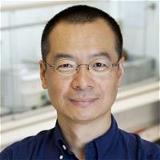
Sunny Zhou, PhD, Professor, Chemistry & Chemical Biology, Northeastern University
Professor Zhou’s laboratory applies protein chemistry, analysis and engineering to biology and medicine. One program is “Hybrid Modality Engineering of Proteins”-a platform to introduce non-canonical chemical moieties and/or scaffolds into peptides and proteins to confer novel functions otherwise unavailable, such as photomedicine. The second is to devise chemo-enzymatic methodologies to characterize protein modifications, such as crosslinking, isoaspartic acid formation (asparagine deamidation) and methylations. In collaboration with biologists and clinicians alike, we also investigate their biological effects, and moreover, as critical attributes in protein pharmaceuticals. Over the past decade, Professor Zhou has been actively collaborating and consulting with biotech and pharm companies on biotherapeutics, enzymes and protein chemistry. These collaborations have led to the elucidation of product and process-related modifications (many of which were previously unknown). He also developed and now teaches a new advanced course entitled “Chemistry and Design of Protein Pharmaceuticals,” as well as workshops on antibody-drug conjugates (ADC), and training courses for scientists from industry, academia, and regulatory agencies in the US, China, and APEC economies.
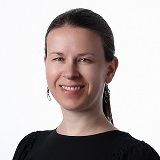
Alex Zinoviev, PhD, Director of mRNA Platform, Gene Therapy, Eli Lilly & Co.
Alex Zinoviev is currently leading the mRNA Platform at Eli Lilly, supporting all mRNA therapeutics programs and exploring relevant technology internally and externally. Prior to Lilly, Alex worked at GreenLight Biosciences, where she was leading the RNA Technology team, developing a HT mRNA screening platform and researching improvements in mRNA technology. Prior to that, Alex worked at Alltrna, where she was part of the tRNA therapeutics discovery team at an early stage of the company. Alex is an mRNA molecular biologist by training. She received her PhD from Ben-Gurion University in Israel, where she studied translation initiation mechanisms of Leishmania parasites. Her postdoctoral research at SUNY Downstate Medical Center in NYC focused on mechanisms of protein translation and mRNA quality control in mammals.